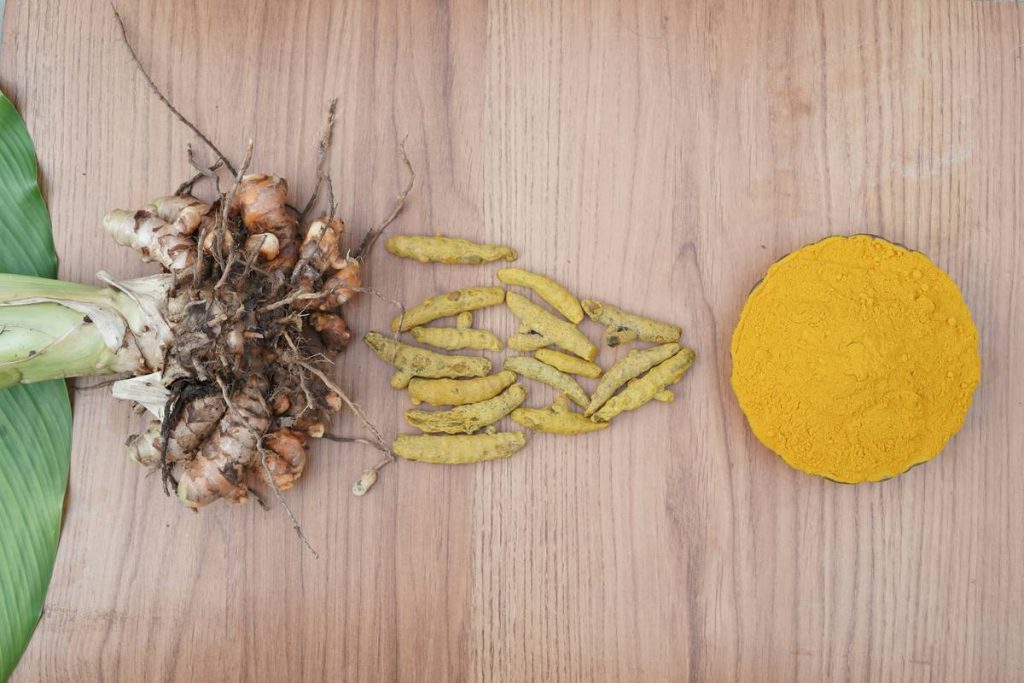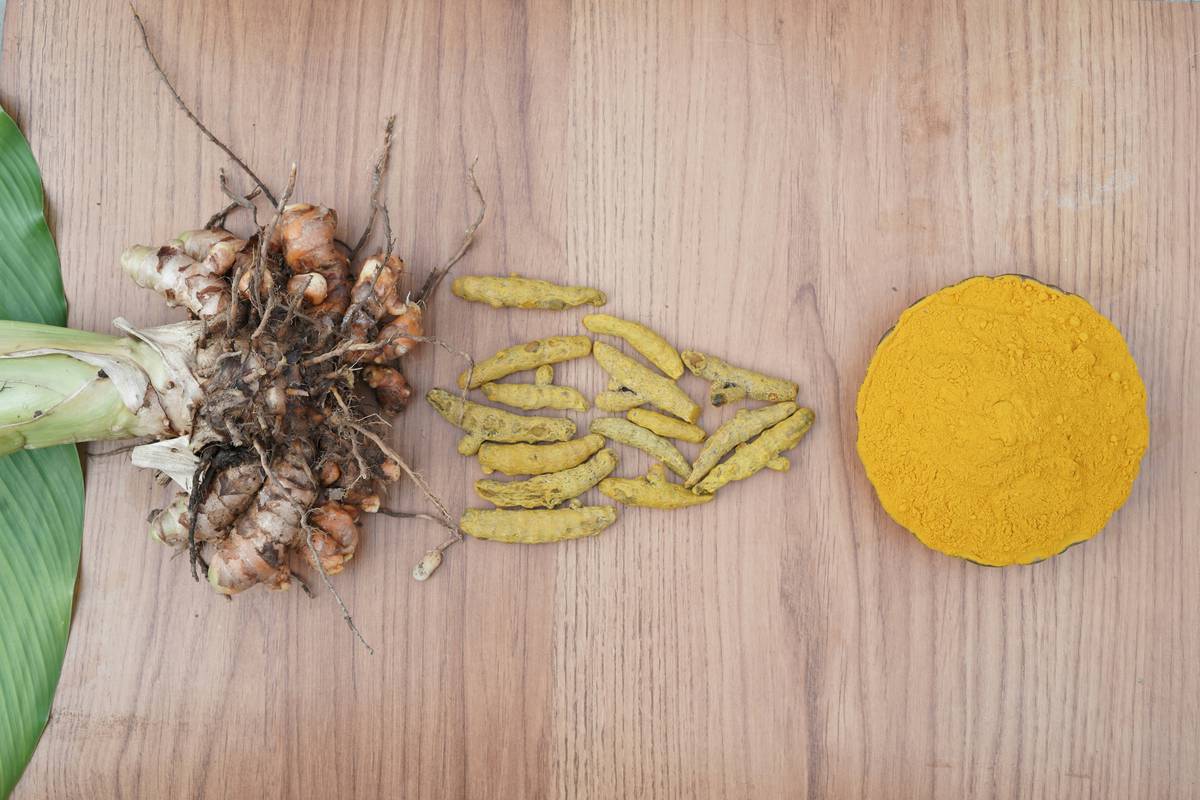
Your dog scratches until his skin bleeds. Antihistamines dull the itch—but the red, inflamed patches keep coming back. Steroids? They work… until they don’t. And the side effects pile up. Here’s an alternative many vets won’t mention upfront: a well-formulated turmeric allergy prevention supplement. Not just any golden powder—precision dosing with enhanced bioavailability can retrain your pet’s immune overreaction at the source.
Why Typical Allergy Treatments Keep Failing
Most pet owners reach for OTC antihistamines or prescription steroids the moment hives appear. It’s reactive—not preventive. And that’s the core flaw.
These drugs suppress symptoms. They don’t address the root cause: an overzealous immune system misidentifying pollen, dust mites, or food proteins as threats. Worse, long-term steroid use thins skin, spikes blood sugar, and weakens immunity—making future flare-ups more likely. Antihistamines? Often ineffective in pets; dogs metabolize them differently than humans. The result? A revolving door of discomfort, vet bills, and temporary fixes.
Turmeric Allergy Prevention Supplement: Your Step-by-Step Protocol
Curcumin—the active compound in turmeric—isn’t just anti-inflammatory. It modulates T-cells and cytokines involved in allergic cascades. But raw turmeric powder? Useless. Poor absorption means less than 1% reaches circulation. You need strategic formulation.
Select a Bioavailable Formula
Avoid cheap capsules filled with unenhanced curcumin. Look for supplements using phospholipid complexes (like Meriva®) or nanoparticle delivery. These boost absorption by 20–30x. Without this, you’re wasting money—and your pet’s time.
Dose Based on Weight and Symptom Severity
General rule: 15–20 mg of bioavailable curcumin per pound of body weight daily. For a 40-lb dog with seasonal allergies, that’s roughly 600–800 mg. Split doses—AM and PM—for steady blood levels. Never exceed 50 mg/lb without veterinary supervision.
Persist Through the Lag Phase
Curcumin doesn’t work overnight. Immune modulation takes 3–6 weeks. Don’t quit at week two because you don’t see change. Track subtle wins: less foot licking, shorter scratching bouts, improved coat sheen. These are early signals it’s working.

| Approach | Onset Time | Long-Term Safety | Addresses Root Cause? |
|---|---|---|---|
| Antihistamines (e.g., Benadryl) | 30–60 mins | Moderate (drowsiness, dry mouth) | No |
| Corticosteroids (e.g., Prednisone) | Hours | Poor (liver stress, diabetes risk) | No |
| Turmeric allergy prevention supplement (bioavailable) | 21–42 days | Excellent (GI upset rare at proper dose) | Yes |
| Allergy Shots (Immunotherapy) | 6–12 months | Good | Yes |
Combine with Gut Support
70% of your pet’s immune system lives in the gut. Pair your turmeric supplement with a soil-based probiotic. Leaky gut often underlies chronic allergies—seal the barrier, calm the response.

The Industry Secret: It’s Not Just About Curcumin
Here’s what supplement labels won’t tell you: black pepper extract (piperine)—commonly added to boost absorption—can irritate sensitive canine stomachs. Many “enhanced” products trigger vomiting or diarrhea not from turmeric, but from piperine. The workaround? Choose formulations using sunflower lecithin or glycerin-based carriers instead. They’re gentler and equally effective. I’ve seen dogs labeled “turmeric-intolerant” thrive once switched to piperine-free versions. Always check the full ingredient deck—marketing hides more than it reveals.
Frequently Asked Questions
Can turmeric replace my dog’s allergy medication?
Not immediately. Use it alongside current meds during the transition phase. After 4–6 weeks of consistent use, work with your vet to taper pharmaceuticals—never stop abruptly.
How do I know if my pet needs an allergy prevention supplement?
If your dog has recurrent ear infections, seasonal itching, or paw chewing that returns despite treatment, their immune system is stuck in overdrive. That’s your cue.
Are there risks with long-term turmeric use in pets?
Rare—if dosed correctly and formulated well. Avoid in dogs with gallbladder disease or on blood thinners. Always choose third-party tested brands for heavy metals and curcumin potency.