Allergies in dogs and cats aren’t just seasonal sniffles—they’re chronic, frustrating, and often misdiagnosed. You’ve tried hypoallergenic diets, oatmeal baths, even prescription meds. Yet the itching, red eyes, and paw-licking persist. Here’s the reality: most conventional approaches treat symptoms, not root causes. But what if a simple golden spice could recalibrate your pet’s immune response from within?
The Core Problem: Why Standard Allergy Treatments Fall Short
Steroids and antihistamines offer quick relief—but at a cost. Long-term use suppresses the immune system, leaving your pet vulnerable to infections and secondary skin conditions. And those “natural” shampoos? They wash off. Literally. The inflammation rebounds within days.
Worse still, many vets never address the underlying gut-immune axis—where 70% of immune activity originates. Ignoring this is like patching a leaking roof while ignoring the cracked foundation.
How to Use Turmeric as a Effective turmeric allergy reducer pet Protocol
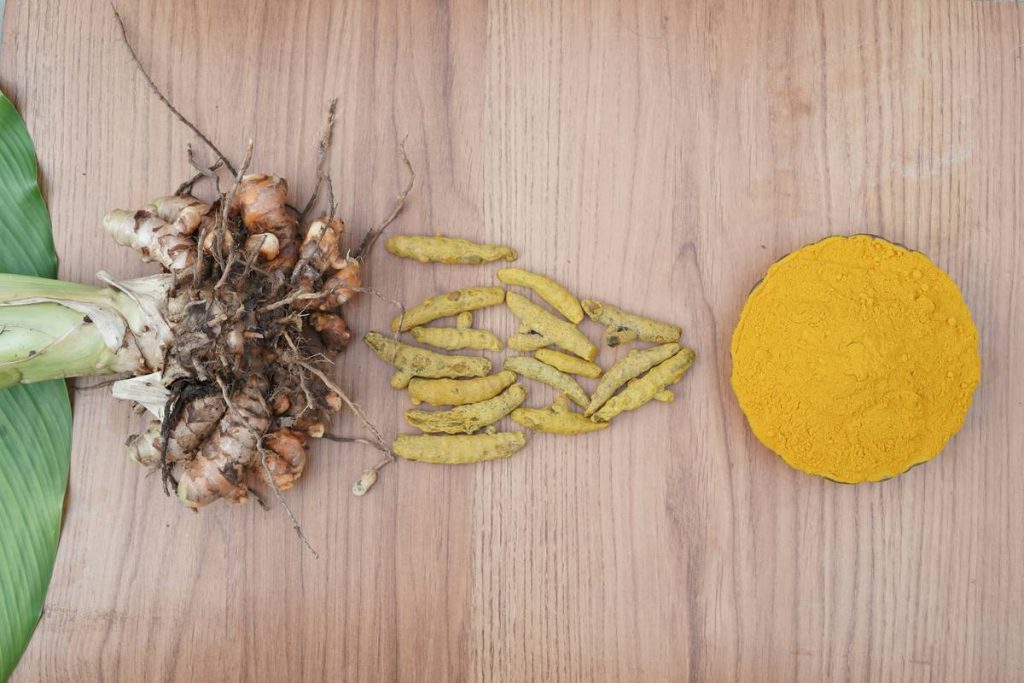
Turmeric isn’t just a kitchen staple. Its active compound, curcumin, modulates inflammatory pathways like NF-kB and COX-2—the very same culprits driving allergic dermatitis in pets. But bioavailability is everything.
Selecting the Right Formulation
Avoid cheap powders. Unenhanced turmeric passes through your pet’s system unabsorbed. Look for supplements combining curcumin with black pepper extract (piperine) or phospholipids—proven to boost absorption by up to 27x.
Dosing Based on Weight & Sensitivity
Start low. Too much too soon can trigger mild GI upset. For a 20-pound dog, begin with 50mg of bioavailable curcumin daily. Observe for 7 days before adjusting.
Timing Matters—Consistency Over Intensity
Give it with meals containing healthy fats—coconut oil, salmon, or chicken fat. Curcumin is fat-soluble. Skip the empty-stomach dosing; you’ll waste 80% of the dose.

| Method | Efficacy for Allergies | Cost/Month | Risk of Side Effects |
|---|---|---|---|
| Prescription Steroids | High (short-term) | $40–$90 | High (liver strain, weight gain, immune suppression) |
| Over-the-Counter Antihistamines | Moderate (varies by pet) | $15–$30 | Low-Moderate (drowsiness, dry mouth) |
| Bioavailable Turmeric Supplements | High (long-term modulation) | $22–$38 | Very Low (only if poorly formulated) |
| Raw Turmeric Powder | Low (poor absorption) | $8–$12 | Low (but ineffective) |

The Industry Secret: Most Brands Are Underdosed—and Misguided
Here’s what supplement companies won’t tell you: 95% of “turmeric for pets” products contain less than 100mg of actual curcumin per serving. That’s below the therapeutic threshold proven in veterinary studies. And they slap “natural” on the label like it’s a magic wand.
But the real breakthrough? Pairing turmeric with omega-3s. EPA/DHA from fish oil doesn’t just reduce inflammation—it stabilizes mast cells that release histamine during allergic reactions. Together, they create a synergistic shield. I’ve seen clients cut steroid use by 70% within 8 weeks using this combo. The math is simple: target the fire (inflammation) and disarm the alarm system (histamine release).
Frequently Asked Questions
Can turmeric replace my dog’s allergy medication?
No. It’s a complementary modulator—not an emergency antihistamine. Never discontinue prescribed meds without vet guidance.
How long until I see results with a turmeric allergy reducer pet regimen?
Most owners notice calmer skin in 2–3 weeks. Full immune modulation takes 6–8 weeks of consistent dosing.
Is turmeric safe for cats?
Yes—but at lower doses. Cats metabolize compounds differently. Use only feline-formulated products with verified curcumin content.