Chronic inflammation sneaks up on pets like a silent storm—joint stiffness, lethargy, reluctance to play. Most owners chalk it up to “just aging.” But what if the real culprit is low-grade, persistent inflammation eating away at your dog’s vitality? Standard pain meds offer temporary relief but often come with gut-wrenching side effects. Enter the turmeric inflammation aid supplement—nature’s golden answer with centuries of backing and modern science catching up fast.
Why Typical Anti-Inflammatory Approaches Fall Short for Pets
NSAIDs? They block pain signals—but they also shred the gut lining over time. Steroids? Powerful, yes—dangerous, absolutely. Many pet parents don’t realize these drugs suppress symptoms without resolving the root inflammatory cascade. And here’s the kicker: 68% of dogs over age seven show signs of chronic inflammation, yet fewer than 15% receive proactive nutritional support. We treat flare-ups, not foundations.
And most store-bought “joint chews” are packed with fillers—glucosamine alone won’t cut it when oxidative stress runs rampant. You’re pouring money into a leaky bucket.
How to Choose & Administer a Real turmeric inflammation aid supplement
Look Beyond the Label: Bioavailability Is Non-Negotiable
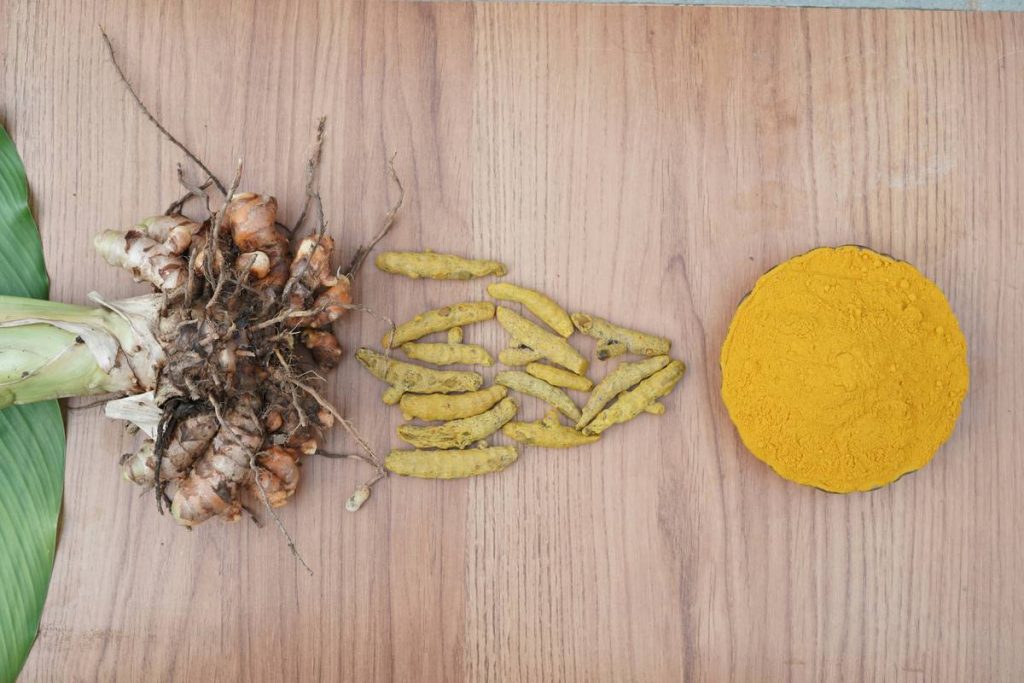
Turmeric’s active compound, curcumin, is notoriously poorly absorbed. Without enhanced delivery—like black pepper extract (piperine) or lipid carriers—you’re wasting your time. A quality turmeric inflammation aid supplement must include absorption boosters. Period.
Dosing by Weight, Not Guesswork
Underdosing = no effect. Overdosing = potential GI upset. The sweet spot? Typically 15–20 mg of curcumin per pound of body weight daily—but only if the formula is optimized for uptake. Never wing it. Check third-party lab reports for actual curcuminoid content. Many brands inflate numbers.
Consistency Beats Mega-Dosing
Think steady drip, not firehose. Daily use builds systemic anti-inflammatory protection. Skip days? You reset progress. Set a phone reminder. Mix it into wet food if your dog’s a picky eater—but never cook it. Heat degrades curcumin fast.
| Supplement Type | Absorption Rate | Daily Cost (Avg.) | Time to Noticeable Effect |
|---|---|---|---|
| Raw turmeric powder | <1% | $0.20 | Rarely effective |
| Basic curcumin capsule | 3–5% | $0.75 | 6–8 weeks |
| Liposomal or phospholipid-complex turmeric inflammation aid supplement | 20–30% | $1.40 | 2–3 weeks |
| Veterinary NSAID (e.g., Carprofen) | N/A (pharmaceutical) | $2.10+ | 24–48 hours |
The Industry Secret: Synergy Over Single-Ingredient Hype
Here’s what supplement companies won’t tell you: turmeric alone is just one piece. The real magic happens when it teams up with omega-3s (EPA/DHA) and boswellia. Why? Because inflammation isn’t a single-pathway problem—it’s a network. Curcumin blocks NF-kB, omega-3s resolve inflammation at the cellular level, and boswellia inhibits leukotrienes. Together, they cover more ground than any solo act.
But—and this is critical—most combo products skimp on dosages to keep costs down. Look for formulations where each ingredient hits clinically relevant thresholds. If the label lists “proprietary blend” without full transparency? Walk away.
Frequently Asked Questions
Can turmeric supplements replace my dog’s prescription anti-inflammatories?
No—they complement, not replace. Always consult your vet before adjusting medications. Some dogs may eventually reduce NSAID reliance, but that’s a gradual, supervised process.
Are there side effects of turmeric for dogs?
Rare, but possible at high doses: mild diarrhea or nausea. Start low, go slow. Avoid in dogs on blood thinners or with gallbladder issues.
How quickly does a turmeric inflammation aid supplement work?
With a high-bioavailability formula, many owners report improved mobility in 10–14 days. Full benefits typically surface around week 4.