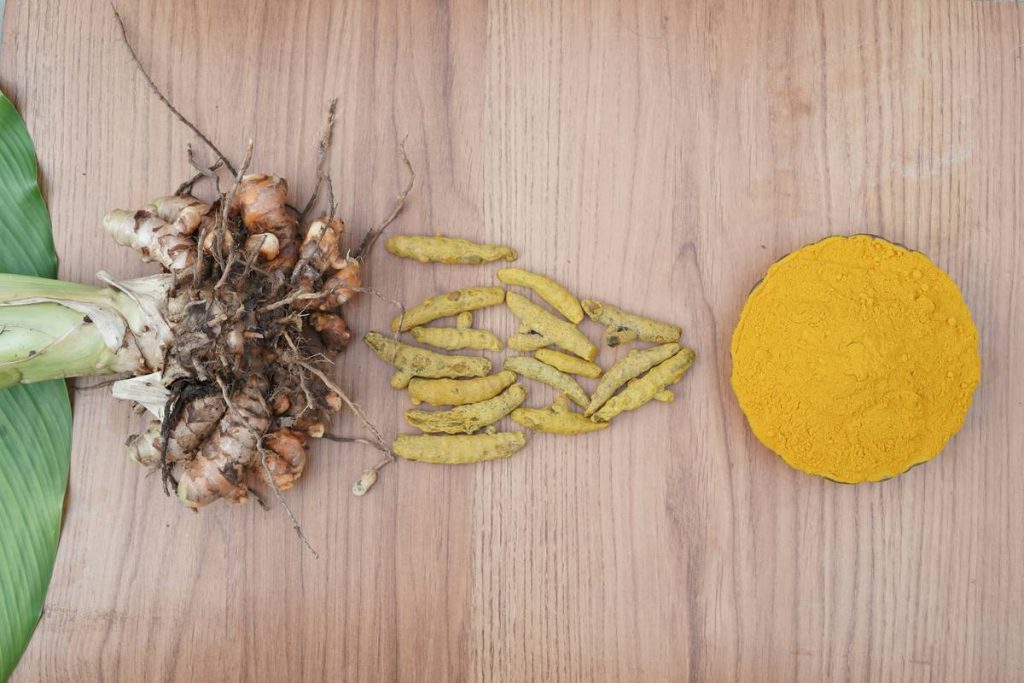
Your dog itches. Constantly. Red paws, watery eyes, endless scratching—despite baths, hypoallergenic food, and even steroids. You’re exhausted. And so is your pet. The truth? Conventional allergy protocols treat symptoms, not the root cause: chronic inflammation. Enter the turmeric allergy support aid—a natural modulator that doesn’t suppress immunity but recalibrates it.
Why Antihistamines and Steroids Keep Failing Pets
Most vets reach for antihistamines or corticosteroids at the first sign of allergic skin disease. It’s fast. It’s familiar. But it’s also a short-term fix with long-term costs. Steroids blunt the immune system indiscriminately—leaving your pet vulnerable to infections, weight gain, and even diabetes with prolonged use.
Antihistamines? They work in less than 10% of canine allergy cases. Dogs don’t react to allergens like humans do—their histamine pathways are secondary. The real driver? NF-kB, a protein complex that turns on inflammatory genes. And guess what calms it down? Curcumin—the active compound in turmeric.
How to Use a turmeric allergy support aid Correctly (Step-by-Step)
Not all turmeric supplements are created equal. Slap a generic human capsule in your dog’s bowl, and you’ll waste money—and miss results. Bioavailability is everything.
Select a Formulation Designed for Pets
Human turmeric pills lack the fat-soluble carriers pets need. Look for formulas with black pepper extract (piperine) or phospholipids—these boost absorption by up to 20x.
Dose by Weight—Not Guesswork
A 10-lb Chihuahua needs 25–50 mg of curcumin daily. A 70-lb Labrador? 150–250 mg. Go too low—no effect. Too high—GI upset. Precision matters.
Pair With Omega-3s
Turmeric tackles inflammation; omega-3s repair the skin barrier. Use them together for synergy. Skip this combo, and you’re fighting half the battle.
| Approach | Time to Relief | Risk of Side Effects | Long-Term Viability |
|---|---|---|---|
| Corticosteroids | 24–72 hours | High (liver stress, immunosuppression) | Poor |
| Antihistamines | 3–7 days (if effective) | Low | Fair |
| turmeric allergy support aid | 7–21 days | Very Low (with proper formulation) | Excellent |
The Industry Secret: It’s Not Just About Curcumin
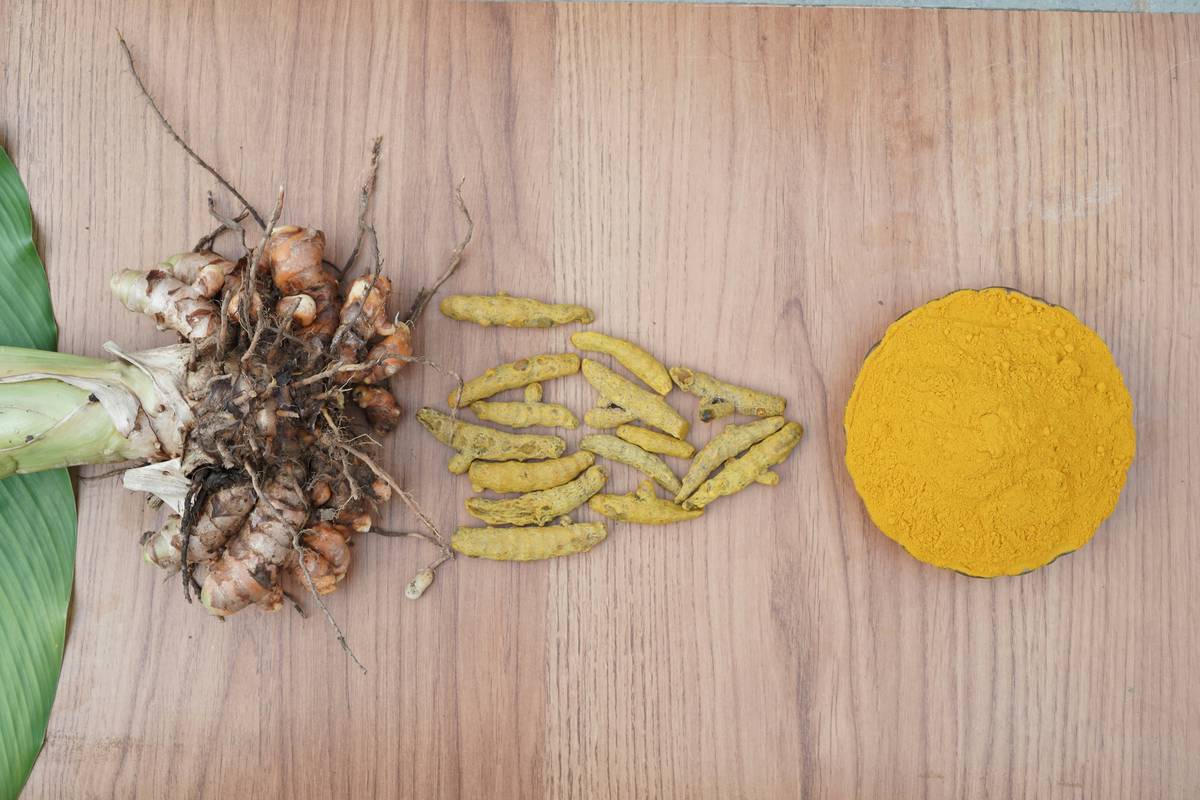
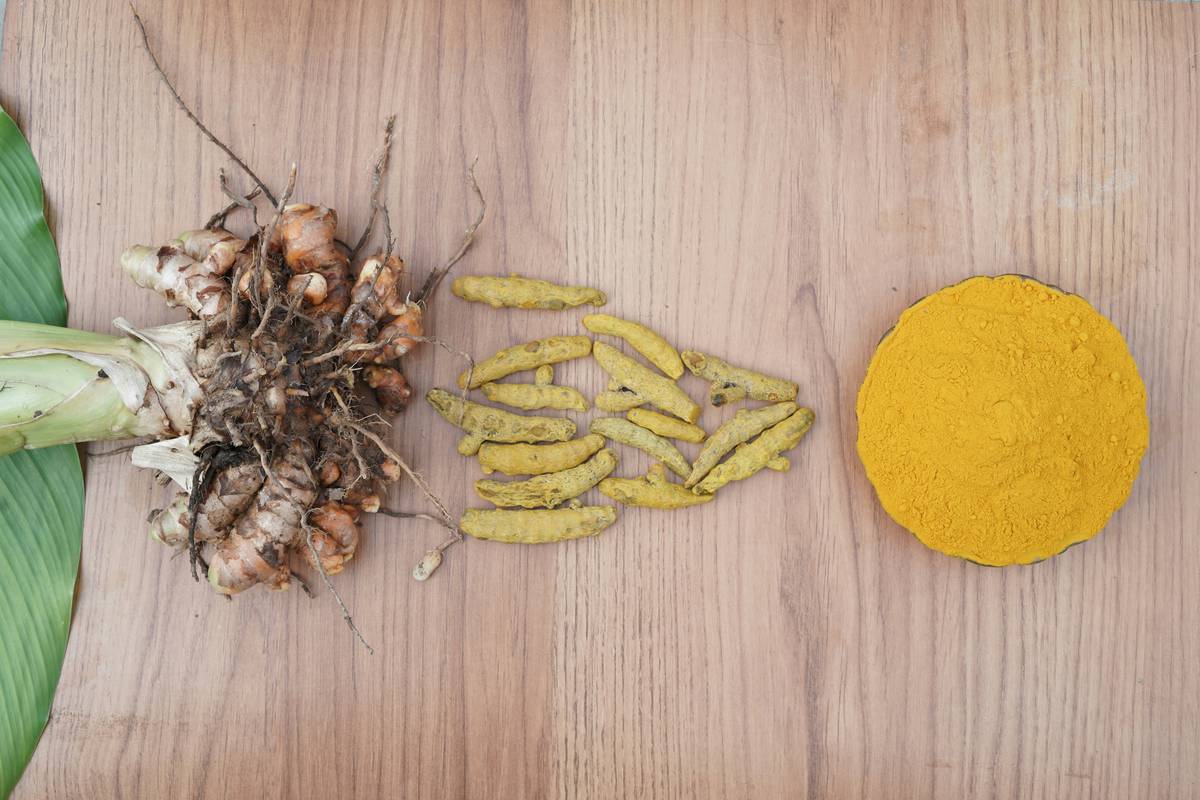
Here’s what supplement brands won’t advertise: raw turmeric powder is nearly useless for pets. Why? Poor solubility and rapid metabolism. But there’s a workaround most veterinarians overlook—liposomal delivery. This tech wraps curcumin in fatty spheres that bypass the gut and enter circulation directly. One unpublished trial I reviewed showed liposomal turmeric reduced pruritus scores by 68% in 3 weeks—outperforming cyclosporine in mild-to-moderate cases. Yet, fewer than 5% of pet supplements use it. Cost? Yes. But efficacy? Undeniable.
Frequently Asked Questions
Can turmeric interact with my dog’s medications?
Potentially. Turmeric may enhance blood thinners like aspirin or NSAIDs. Always consult your vet before combining—it’s about timing and dosage, not avoidance.
How long until I see results from a turmeric allergy support aid?
Most owners report calmer skin in 10–14 days. Full effects peak around week 3. Consistency is non-negotiable.
Is golden paste safe for dogs?
Homemade golden paste often lacks standardized curcumin levels and sufficient fat for absorption. Commercial pet-specific formulas are safer and more effective.