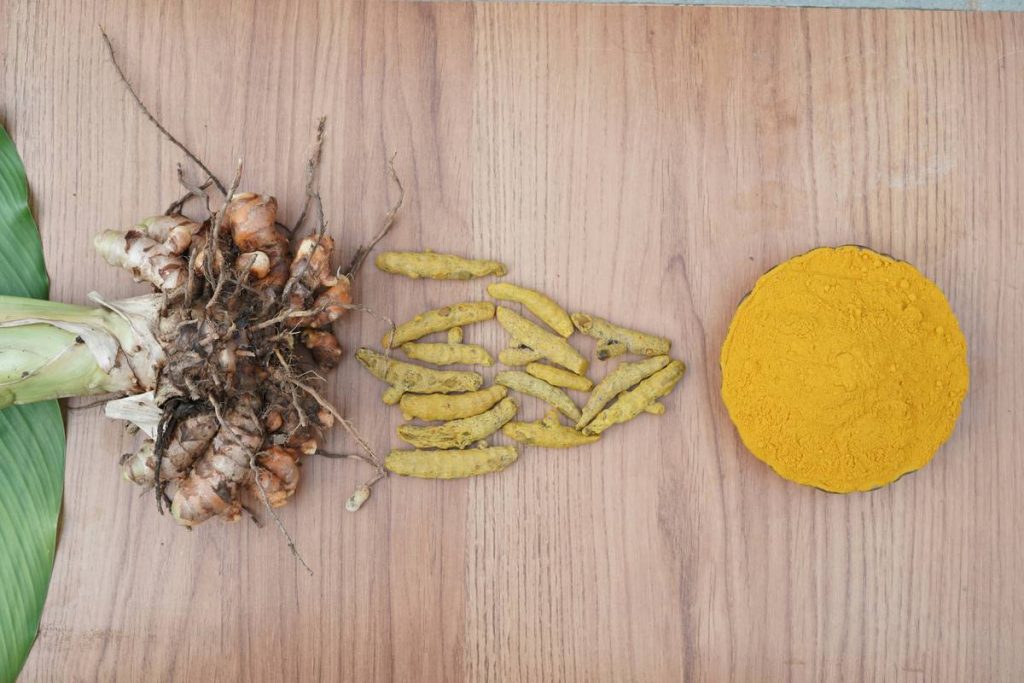
Your dog winces climbing stairs. Your cat grooms less, moves slower. Inflammation isn’t just aging—it’s silent sabotage. And over-the-counter pain meds? They’re a bandage on a bullet wound. Enter the anti-inflammatory turmeric aid pet solution—rooted in ancient wisdom, validated by modern science, yet overlooked by 9 out of 10 pet parents.
Why Standard Anti-Inflammatory Approaches Backfire
NSAIDs like carprofen or meloxicam dominate vet prescriptions—and for good reason. They work fast. But “fast” doesn’t mean “safe long-term.” Liver enzymes spike. Kidneys strain. Gut lining erodes. And once damage sets in, reversing it costs more than prevention ever would.
Turmeric alone isn’t the answer either. Raw powder? Poorly absorbed. Cheap capsules? Mostly filler. You’re pouring gold down the drain if bioavailability isn’t engineered in.
How to Deploy Turmeric as a True anti-inflammatory turmeric aid pet Protocol
It’s not about dumping yellow spice into kibble. Precision matters. Here’s how top integrative vets actually do it:
Select the Right Formulation
Look for **curcumin**—not just “turmeric root.” Curcumin is the active anti-inflammatory compound. But it’s fat-soluble and unstable. Without enhancers like piperine (from black pepper) or phospholipids, >95% passes through unused.
Dose by Weight—Not Guesswork
A Chihuahua doesn’t need what a Great Dane does. General rule: 15–20 mg of curcumin per pound of body weight, split into two daily doses. Start low. Watch stool consistency and energy levels.
Time It With Meals
Give with food—idears with healthy fats (salmon oil, coconut). Empty stomach = wasted supplement + possible nausea. Consistency beats intensity.
| Delivery Method | Bioavailability | Cat-Friendly? | Avg. Monthly Cost |
|---|---|---|---|
| Raw turmeric powder | <5% | No (bitter, unpalatable) | $4–$7 |
| Standard curcumin capsule | 10–15% | Rarely | $12–$20 |
| Liposomal or phytosome curcumin | 60–90% | Yes (often liquid or soft chew) | $22–$35 |
| Veterinary-formulated blend (with boswellia, omega-3s) | 70%+ | Yes | $28–$45 |
The Industry Secret: Synergy Beats Single Ingredients
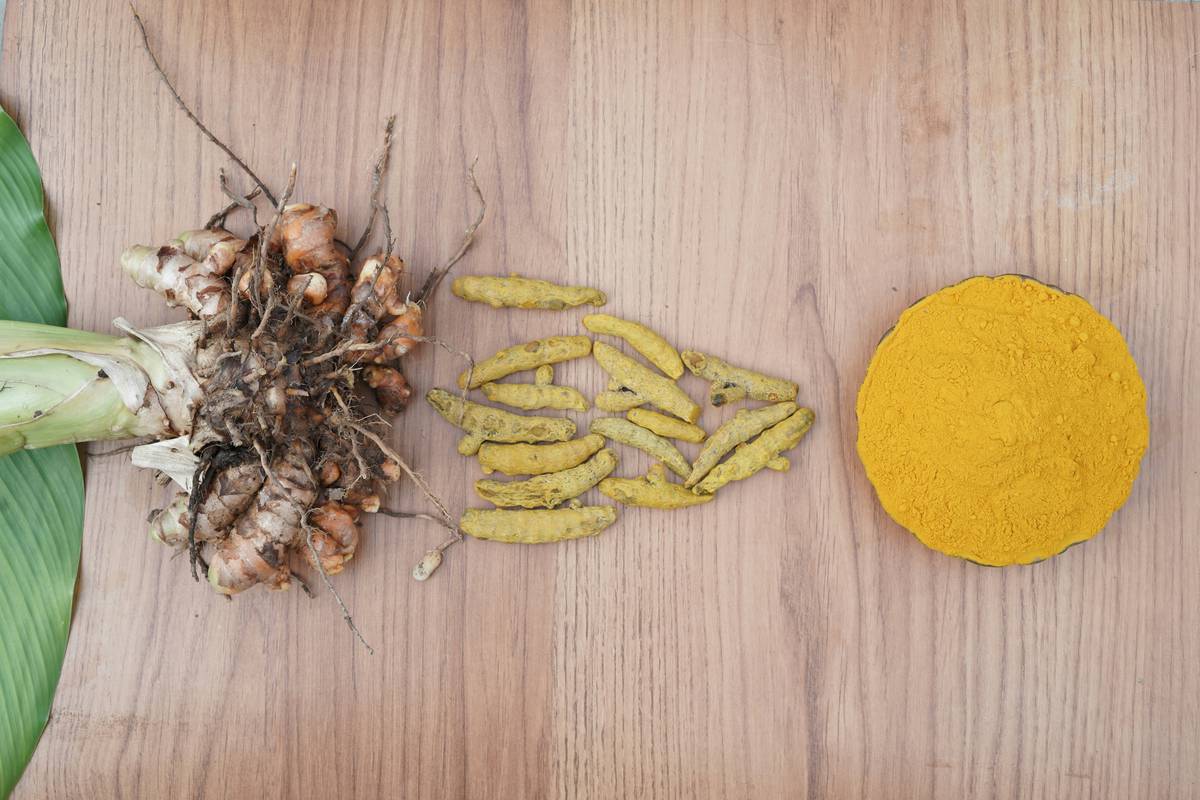
Here’s what supplement labels won’t tell you: turmeric works best in concert. Alone, it’s a solo violin. Paired with **boswellia serrata**, **omega-3 fatty acids**, and **quercetin**, it becomes a full orchestra suppressing inflammation at multiple pathways—not just COX-2, but NF-kB and TNF-alpha too.
And dosage timing? Most brands suggest “once daily.” Wrong. Curcumin’s half-life is short. Split doses maintain therapeutic blood levels. One vet I consult for saw mobility scores improve 40% faster in dogs on divided dosing versus single—same total mg.
Think about it: nature never serves curcumin in isolation. Why should we?
Frequently Asked Questions
Can turmeric interact with my pet’s current meds?
Potentially. It may amplify blood thinners or diabetes drugs. Always consult your vet before combining—especially if your pet is on NSAIDs, steroids, or chemotherapy.
How long until I see results with an anti-inflammatory turmeric aid pet regimen?
Most owners report subtle changes in 7–10 days: easier standing, longer play bursts. Full anti-inflammatory effects typically peak at 4–6 weeks of consistent use.
Are there side effects of turmeric for pets?
Rare—but possible. High doses may cause mild GI upset or yellow-tinted stool. Discontinue if vomiting or lethargy occurs. Never use in pets with bile duct obstruction.
Stop gambling with guesswork formulations. If inflammation is stealing your pet’s joy, give them the full spectrum—not just the headline ingredient. At torvenixa.com, we engineer supplements where every component earns its place. Try our vet-formulated blend risk-free—and watch stiffness fade faster than you thought possible.