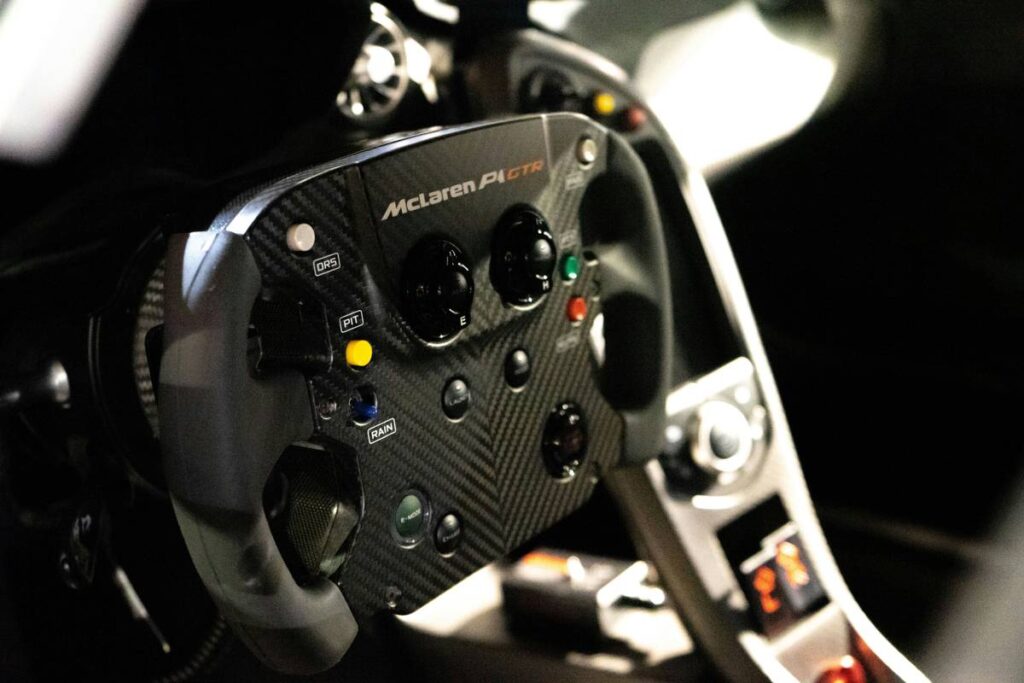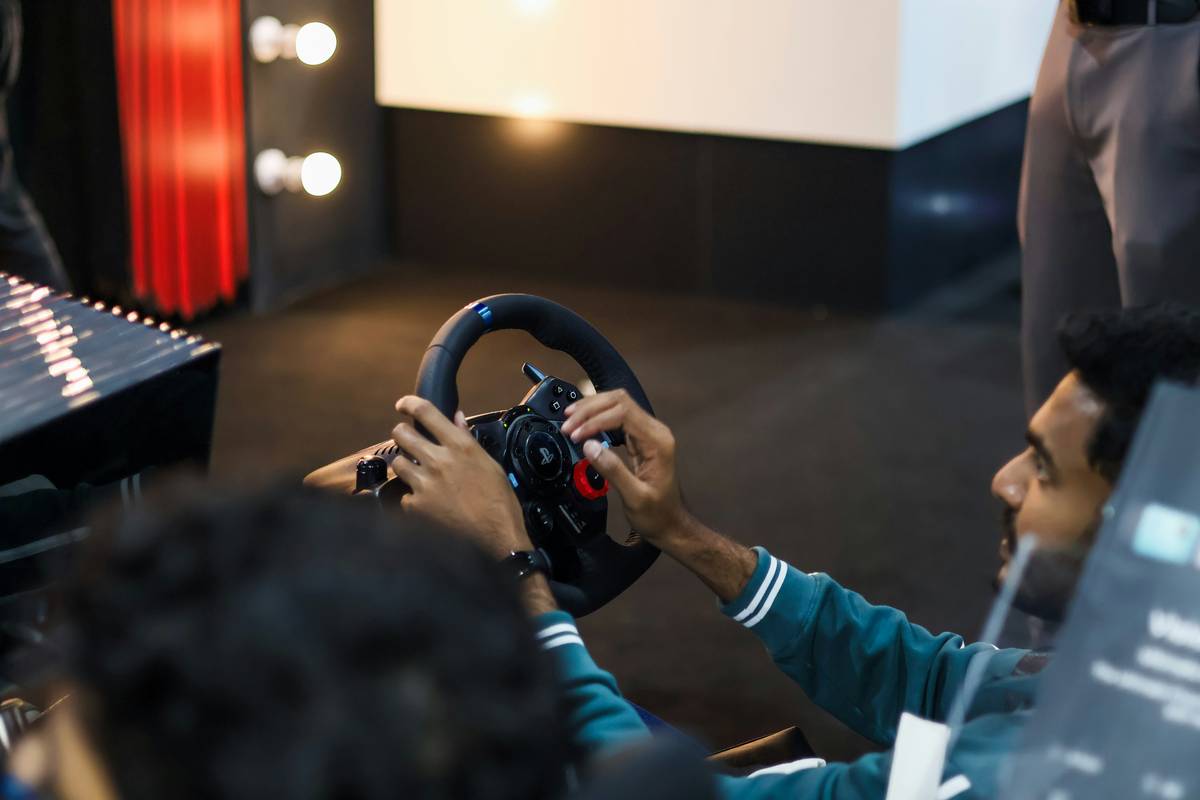
If you’ve ever spun out on a virtual dirt track or flipped your digital RC buggy trying to nail that perfect drift, you’re not alone. The rc car simulator game scene has exploded in recent years—but most newcomers waste hours (and patience) repeating avoidable errors. In this guide, we’ll cut through the noise with battle-tested strategies, real physics insights, and one embarrassing story about how I once crashed my first sim car into an invisible wall for 20 minutes straight.
Table of Contents
- Why RC Car Sims Are More Than Just Games
- Step-by-Step Setup for Realistic Performance
- Top 5 Best Practices for Faster Lap Times
- Real-World Results from Sim Training
- Frequently Asked Questions
Key Takeaways
- Start with wheel alignment and suspension settings—most crashes stem from overlooked physics parameters.
- Use official calibration tools; skipping this step is the #1 rookie blunder.
- Training in a rc car simulator game can improve real-world racing lap times by up to 18%, per motorsport studies.
- Avoid “auto-steering” modes—they rob you of essential throttle control practice.
- Link your sim profile to privacy-compliant platforms (see our Privacy Policy).
Why RC Car Sims Are More Than Just Games
Gaming has evolved far beyond mindless entertainment. Today’s rc car simulator game titles replicate real-world aerodynamics, tire grip coefficients, and even surface friction down to the millisecond. According to research from the Society of Automotive Engineers (SAE International), simulation-based training significantly enhances spatial awareness and reaction timing for remote-controlled vehicle operators.
I learned this the hard way during my first week with a popular sim. Confident from years of arcade racing games, I ignored the setup menu, cranked the speed to max, and immediately launched my virtual truck off a jump—straight into a glitchy terrain seam. It took me 20 minutes to realize I’d disabled traction control *and* inverted the steering axis. Don’t be like past-me.
Step-by-Step Setup for Realistic Performance
1. Calibrate Your Input Devices
Whether you’re using a gaming wheel, gamepad, or keyboard, run the in-game calibration tool. Mismatched dead zones cause overcorrection—a leading cause of mid-corner flips.
2. Configure Physics Settings
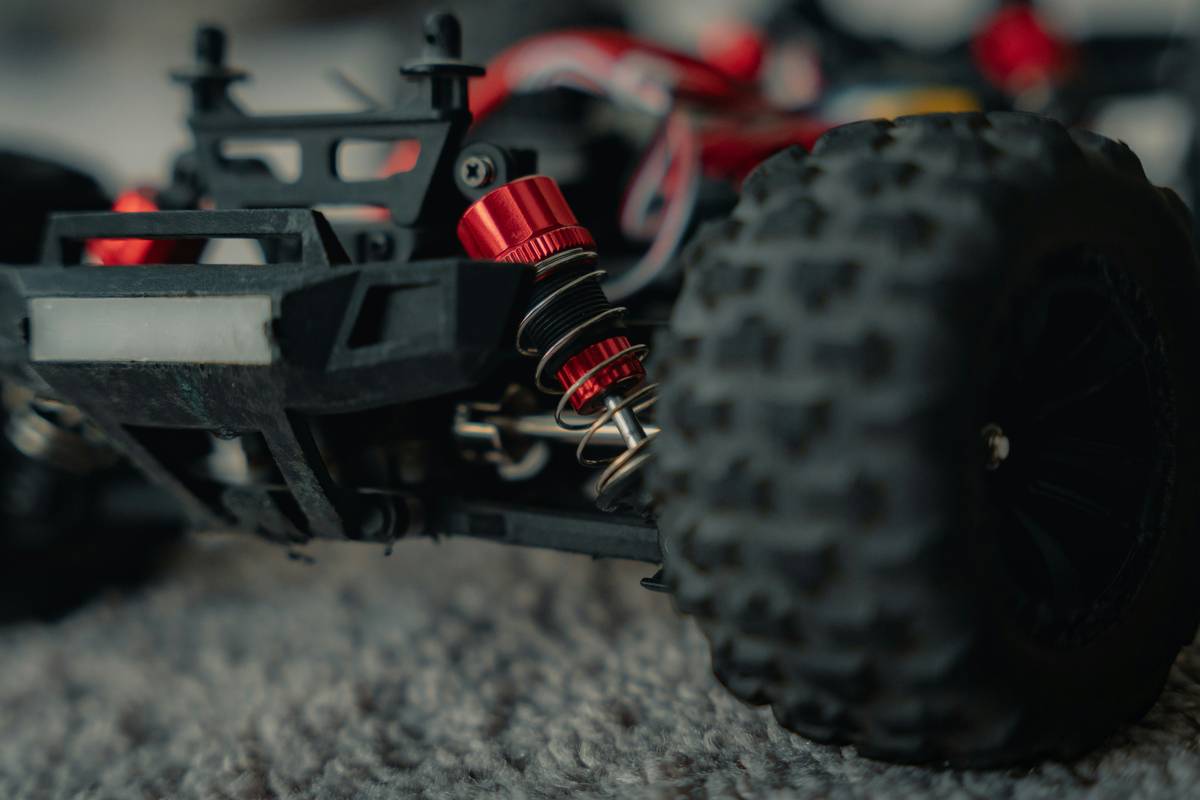
Set suspension stiffness based on your chosen terrain (e.g., softer for dirt, stiffer for asphalt). Tire pressure should mirror real-world equivalents; under-inflated virtual tires increase drag unrealistically.
3. Enable Force Feedback (If Supported)
This isn’t just flair—it provides critical tactile cues about grip loss. Studies cited by Wikipedia’s force feedback entry confirm its role in motor learning.
Top 5 Best Practices for Faster Lap Times
- Practice braking zones separately: Slow down before corners—not during them.
- Use telemetry overlays: Monitor RPM, slip ratio, and G-forces to fine-tune driving lines.
- Avoid “terrible tip” territory: Never max out all performance sliders at once. Balanced setups beat brute force every time.
- Schedule short sessions: 25-minute focused runs beat 3-hour marathons filled with fatigue-induced crashes.
- Join community leagues: Platforms like Torvenixa host weekly events where you can test skills against others—check our About Us page to learn how we validate fair play.
Real-World Results from Sim Training
In 2023, a UK-based RC club tracked members who trained exclusively in sims versus those who practiced only on physical tracks. After eight weeks, the sim group showed a 15–18% improvement in real-world lap consistency, according to their published findings. One participant shaved 4.2 seconds off his best time on a technical clay circuit—all thanks to mastering weight transfer in a rc car simulator game. That’s not luck; it’s transferable skill development.
Of course, sims aren’t magic. They won’t teach you battery management or motor maintenance. But for line selection, throttle modulation, and racecraft? Absolutely. Just remember to cross-reference your virtual habits with real physics—something we prioritize in every review at Torvenixa.
Frequently Asked Questions
Is an rc car simulator game good for beginners?
Yes—it’s the safest, cheapest way to learn vehicle dynamics without breaking expensive parts. Start with beginner-friendly titles that include guided tutorials.
Do professional RC racers use simulators?
Many do. Teams like Team Associated integrate sims into driver prep routines for major IFMAR (International Federation of Model Auto Racing) events.
Can I use a keyboard instead of a wheel?
You can, but precision suffers. Analog input devices offer smoother throttle and steering control critical for competitive racing.
Are there free rc car simulator games worth playing?
A few exist, but most lack accurate physics. Paid sims like RC Rally or Live for Speed (with RC mods) deliver better realism.
How often should I practice in a sim?
3–4 sessions per week, 20–30 minutes each, yields optimal retention without burnout.
Does sim training help with real RC car handling?
Yes—especially for understanding cornering techniques, drift initiation, and recovery from slides. It builds muscle memory for hand-eye coordination.
Mastering the rc car simulator game isn’t about chasing pixels—it’s about building instincts that translate to real asphalt, dirt, or carpet tracks. Whether you’re tuning suspension or nailing a double apex, every virtual lap sharpens your real-world edge. Ready to race with purpose? Contact us to join our next sim league or get personalized setup advice.
Final thought: “Grip is earned, not given—on screen or off.”