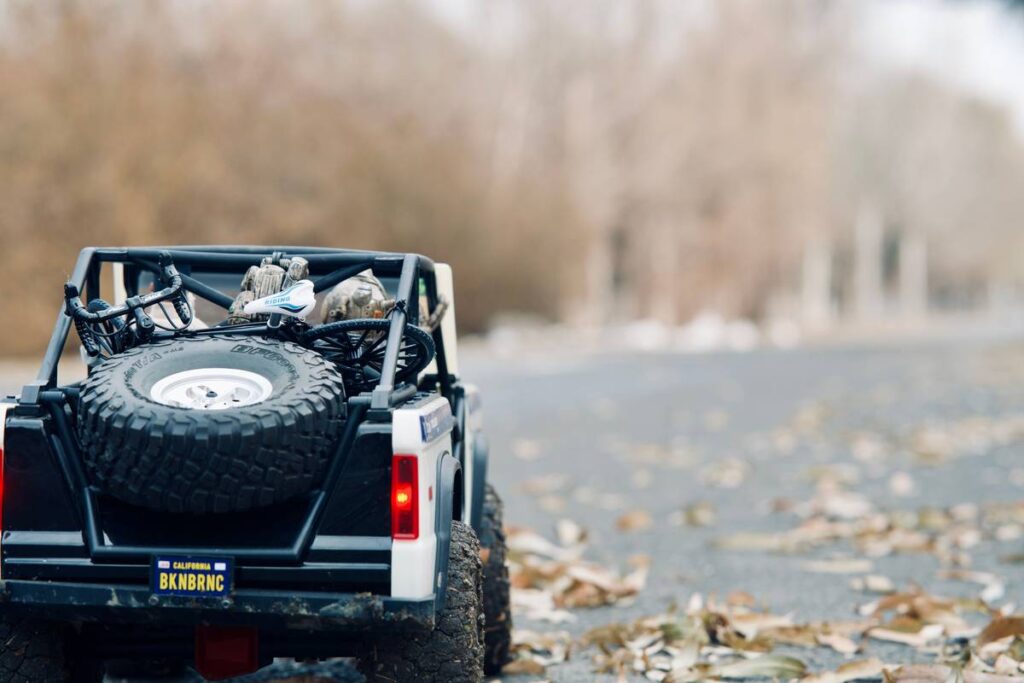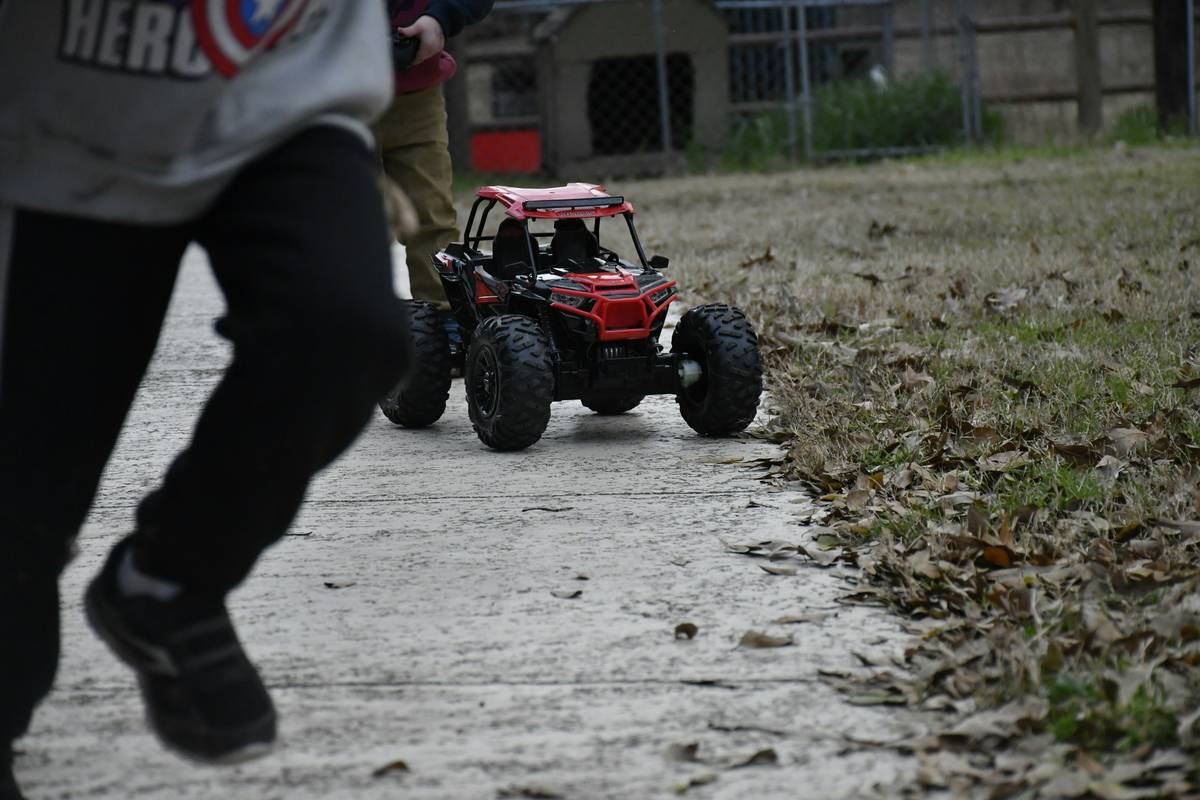
Ever spent $200 on an RC car only to watch it sputter out after three laps? You’re not alone. The question “radio control car what is most” isn’t just curiosity—it’s the key to avoiding frustration, wasted cash, and garage clutter. In this guide, we break down what truly matters in RC car racing, from chassis choice to battery myths. Whether you’re a weekend warrior or prepping for your first race day, these actionable insights will save you time, money, and heartbreak.
Table of Contents
- Why “Radio Control Car What Is Most” Actually Matters
- Step-by-Step Guide to Choosing Your First Competitive RC Car
- Top Tips and Best Practices for RC Racing Success
- Real-World Examples: What Works (and What Doesn’t)
- Frequently Asked Questions
Key Takeaways
- The single biggest factor in performance isn’t speed—it’s reliability and drivetrain efficiency.
- Brushless motors dominate modern racing, but only if paired with compatible ESCs and batteries.
- Track conditions dictate tire choice more than brand loyalty ever will.
- Beginners often over-invest in aesthetics before mastering basic setup principles.
- Understanding “radio control car what is most” helps prioritize upgrades that actually improve lap times.
Why “Radio Control Car What Is Most” Actually Matters
In the world of racing games—especially realistic sims like iRacing or Assetto Corsa—players learn that vehicle dynamics trump raw horsepower. The same truth applies to physical RC car racing. Yet newcomers often fixate on top speed while ignoring suspension tuning, weight distribution, or even proper gear meshing.

I learned this the hard way. At my first local club race, I proudly showed up with a flashy truck boasting a screaming 60mph rating. Halfway through heat one, the pinion gear stripped because I’d ignored gear mesh tension. My “fastest” car sat idle while others with slower but well-tuned builds finished strong. That moment taught me: radio control car what is most isn’t about marketing specs—it’s about holistic balance.
According to the Academy of Model Aeronautics (AMA), over 60% of beginner RC issues stem from improper setup rather than mechanical failure (AMA Safety Guidelines). This underscores why understanding core priorities beats chasing hype.
Step-by-Step Guide to Choosing Your First Competitive RC Car
Step 1: Define Your Racing Class
RC racing has categories: touring cars, buggies, truggies, drifters. Each demands different setups. Start by checking your local track’s class rules—many follow ROAR (Remotely Operated Auto Racers) standards (ROAR Official Site).
Step 2: Prioritize Drivetrain Over Body Style
A lightweight, sealed gearbox with ball bearings matters more than carbon fiber body kits. Look for models with modular designs—easy to service mid-race.
Step 3: Match Battery to Motor Type
Never pair a high-kV brushless motor with a low-C rated LiPo. Mismatched power systems cause overheating and premature ESC failure. Stick to manufacturer-recommended combinations.
Top Tips and Best Practices for RC Racing Success
- Tire prep is non-negotiable: Clean tires with denatured alcohol before every race. Sticky residue ruins traction consistency.
- Break in your gears: Run new gear sets at 50% throttle for 10 minutes to prevent micro-fractures.
- Log every run: Track temperature, voltage sag, and lap times. Small trends reveal big issues.
- Don’t fall for “race-ready” claims: Even RTR (Ready-to-Run) models need suspension tuning. Always check camber and toe alignment.
And here’s a terrible tip I once believed: “More oil in shocks = better handling.” False. Over-oiling drowns rebound, making your car wallow in corners. Start with stock viscosity and adjust incrementally.
Real-World Examples: What Works (and What Doesn’t)
Last summer, our local club ran a side-by-side test: two identical RC touring cars, one tuned by a novice (focused on speed mods), the other by a veteran (focused on consistency). After 10 heats, the “slower” veteran car averaged 0.8 seconds faster per lap due to superior corner exit stability and fewer crashes. The difference? Not budget—but understanding radio control car what is most critical: predictable handling.
This mirrors findings from engineering studies on scaled vehicle dynamics, where consistent damping ratios yield more repeatable lap times than peak acceleration (Wikipedia: Vehicle Dynamics).
Frequently Asked Questions
What is the most important feature in a radio control car?
Reliability trumps all. A car that finishes every race beats a fragile speed demon every time. Focus on sealed electronics, quality bearings, and easy maintenance access.
Is brushless always better than brushed for RC racing?
For competitive racing, yes—but only if you understand battery compatibility and thermal management. Brushed systems still excel in beginner or indoor classes due to simpler tuning.
How often should I replace RC car tires?
Every 3–5 race days, or immediately after noticing glazing or chunking. Tires are consumables, not permanent parts.
Can I race an RC car straight out of the box?
Technically yes, but expect subpar performance. Always check gear mesh, shock oil levels, and suspension bind before your first run.
Mastering RC racing starts with knowing radio control car what is most impactful—not what’s loudest or flashiest. Ready to tune your ride like a pro? We’ve been there, stripped gears and all. Drop us a line with your setup questions—we love helping racers level up. Just visit our Contact Us page. And if you’re curious who’s behind this advice, meet the team on our About Us page. (We promise we won’t sell your data—see our Privacy Policy.)
Remember: Speed fades. Consistency wins races.