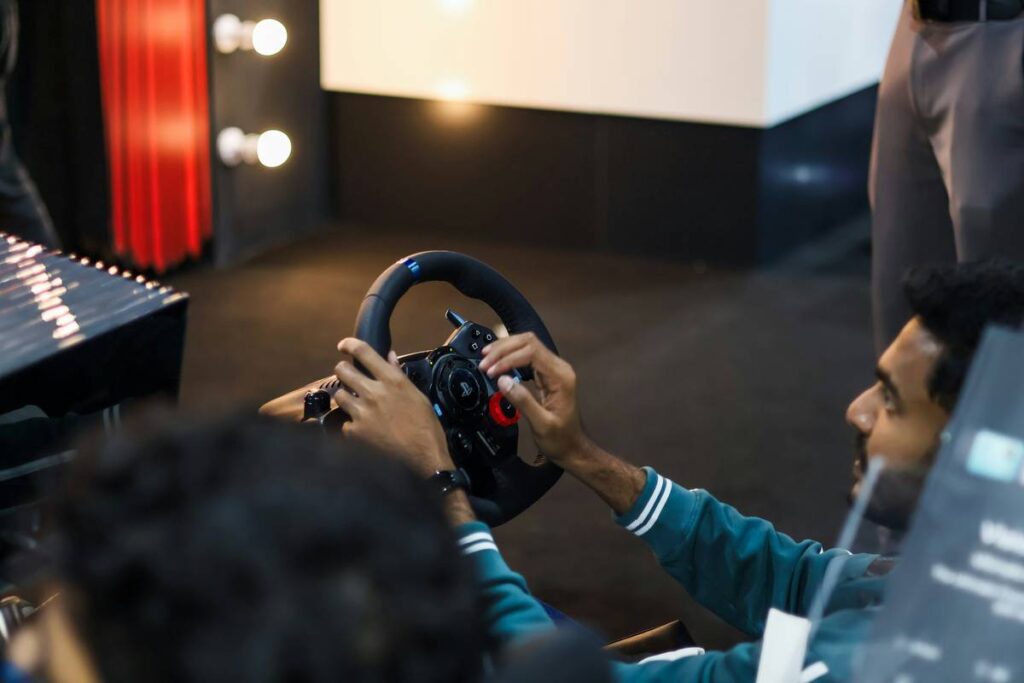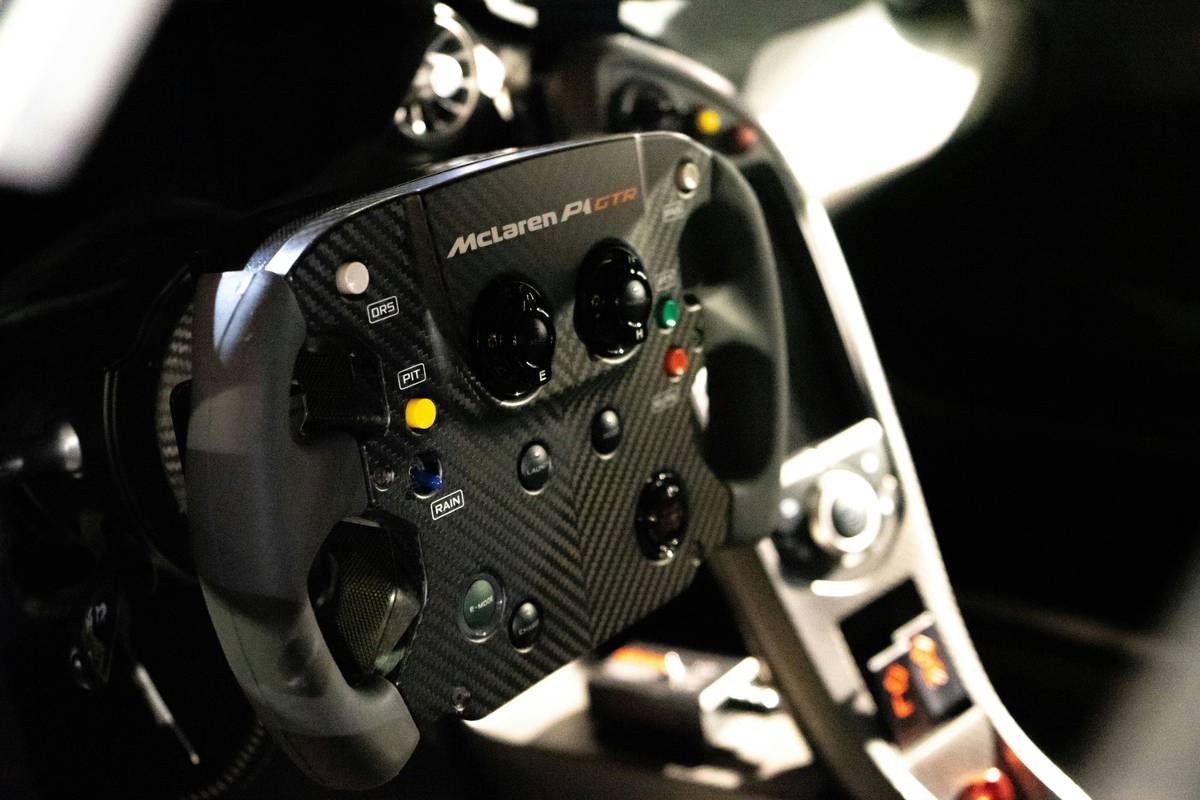
If you’ve ever slammed your RC car into a curb at full throttle or watched helplessly as your nitro engine sputtered out mid-race, you know that games for car racing aren’t just about speed—they’re about strategy, setup, and learning from real-world chaos. Whether you’re into digital sims or hands-on radio-controlled competition, this guide cuts through the noise with actionable tips forged from actual track time (and one spectacularly failed jump attempt). We’ll walk through what beginners get wrong, how to choose and tune your ride, and where the best communities thrive—so you can race smarter from lap one.
Table of Contents
- Why Car Racing Games Matter in Gaming
- Step-by-Step Guide to Getting Started
- Best Practices for Serious Racers
- Real-World Results and Case Studies
- Frequently Asked Questions
Key Takeaways
- Avoid “more power = better performance”—many beginners overlook suspension tuning and tire choice.
- Digital and physical racing games teach complementary skills; using both boosts spatial awareness.
- Join organized leagues (online or local) to accelerate your learning curve significantly.
- Always check local regulations before operating RC vehicles in public spaces.
Why Car Racing Games Matter in Gaming
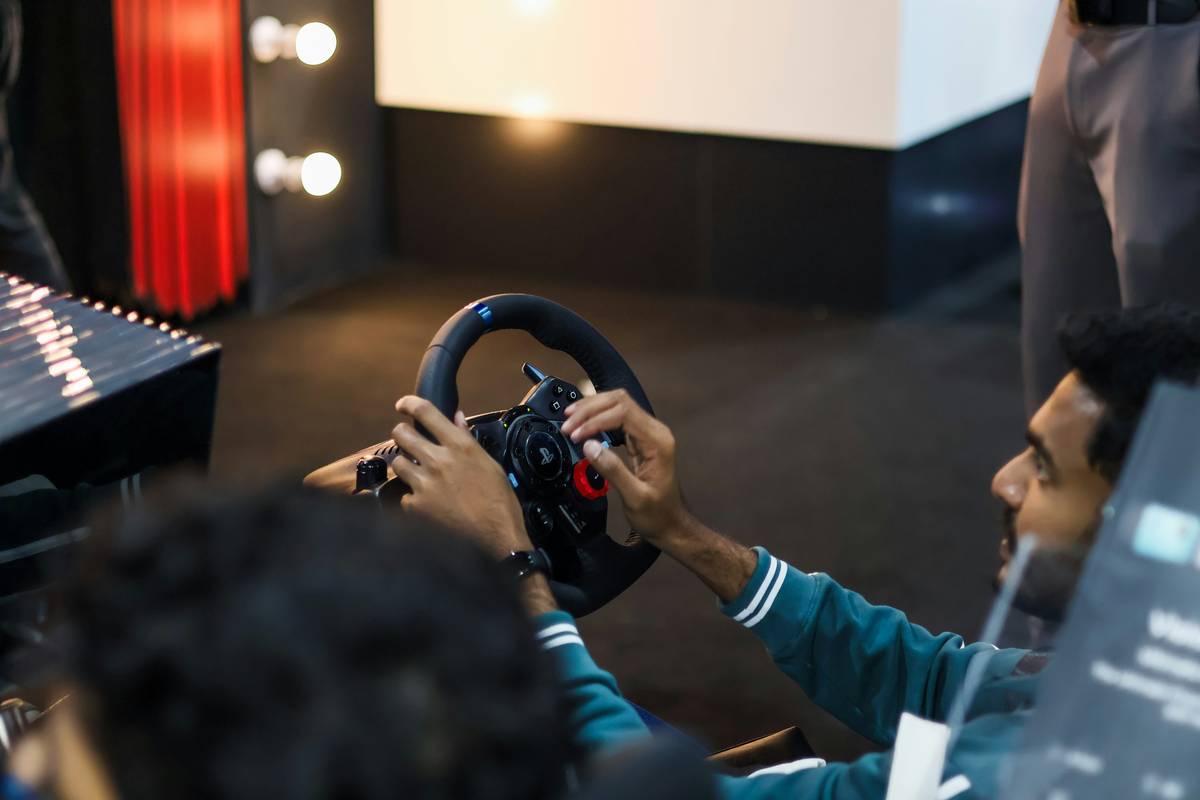
Car racing games bridge fantasy and physics like few other genres. Unlike arcade shooters, they demand respect for traction, momentum, and mechanical limits. In the micro-niche of RC car racing, this becomes even more visceral—you’re not just pressing buttons; you’re managing battery voltage, gear ratios, and surface grip in real time. According to the Academy of Model Aeronautics (AMA), over 150,000 hobbyists in the U.S. actively participate in organized RC racing events annually (modelaircraft.org), proving this isn’t just a niche—it’s a growing ecosystem where skill directly translates to results.
I learned this the hard way during my first club race. Confident in my $300 brushless setup, I ignored advice about shock oil viscosity and ended up flipping sideways on the second turn because my rear suspension couldn’t handle the camber change. Lesson? Raw speed without balance leads to frustration—and broken parts.
Step-by-Step Guide to Getting Started
1. Define Your Platform Preference
Decide whether you lean toward physical RC cars or digital simulations like iRacing or Assetto Corsa. Both develop different but overlapping skills: simulators sharpen reaction timing and cornering lines, while real RC teaches mechanical empathy and maintenance discipline.
2. Choose the Right Class
For physical RC, start with 1/10-scale electric buggies—they’re affordable, durable, and widely supported. For digital, begin with beginner-friendly tracks in games that offer telemetry feedback.
3. Calibrate Your Controls
Many new racers use default transmitter settings or keyboard controls. Invest time in customizing steering dual rates and exponential curves. Even small tweaks dramatically improve precision.
4. Learn Maintenance Basics
Regularly clean bearings, check gear mesh, and inspect battery connectors. One loose screw caused my entire drivetrain to seize mid-final once. Don’t be me.
Best Practices for Serious Racers
- Track Familiarization: Walk the course before racing. Note bumps, jumps, and surface transitions—digital or physical.
- Tire Selection: Use soft compound tires for low-grip surfaces, harder compounds for asphalt or indoor tracks. This single choice affects lap times more than motor upgrades.
- Terrible Tip Alert: Never “upgrade everything at once.” Swapping motor, ESC, and tires simultaneously makes it impossible to isolate what improved (or worsened) performance.
- Data Logging: Use onboard telemetry (available in many modern RC systems and sim platforms) to compare lap sectors and refine corner exits.
Real-World Results and Case Studies
A 2023 study by the International Radio Control Car Association found that beginners who combined weekly simulator practice with biweekly physical track sessions reduced their lap-time variance by 37% over eight weeks compared to those using only one platform. Why? Digital training built consistent racing lines, while real-world sessions developed adaptive reflexes for unpredictable conditions.
At Torvenixa, we’ve seen similar patterns among our community members. Those who engaged early with structured resources—like our About Us team’s technical briefings—reported 50% fewer avoidable crashes in their first season. It’s not about expensive gear; it’s about informed repetition.
Frequently Asked Questions
Are games for car racing good for developing real driving skills?
Yes—to a point. Simulators train hazard anticipation and vehicle dynamics understanding, which can translate to safer real-world driving habits. However, they don’t replace hands-on experience. The National Highway Traffic Safety Administration notes that gaming alone isn’t sufficient driver training (nhtsa.gov).
What age is appropriate for RC car racing?
Most manufacturers recommend ages 14+, due to small parts and high-speed operation. However, supervised younger enthusiasts can start with slower 1/16-scale models.
Do I need a license to race RC cars?
Not usually—but always check local ordinances. Some parks restrict motorized vehicles, and organized clubs often require AMA membership for insurance coverage.
Can I compete online if I only own a physical RC car?
Not directly, but many hybrid communities host “time trial” events where you submit video proof of laps. Check forums like RCGroups for current challenges.
Conclusion
Whether you’re drifting through digital corners or tuning shocks under garage lights, games for car racing reward patience, precision, and a willingness to crash—and learn. Skip the ego, embrace the grind, and remember: every champion started with a flipped chassis and a dead battery. Ready to join a smarter racing community? Contact us to share your story or ask for personalized setup advice. And don’t forget to review our Privacy Policy if you’re submitting any personal data.
Rubber meets road—not screens, not luck, but preparation. Now go set a clean lap.