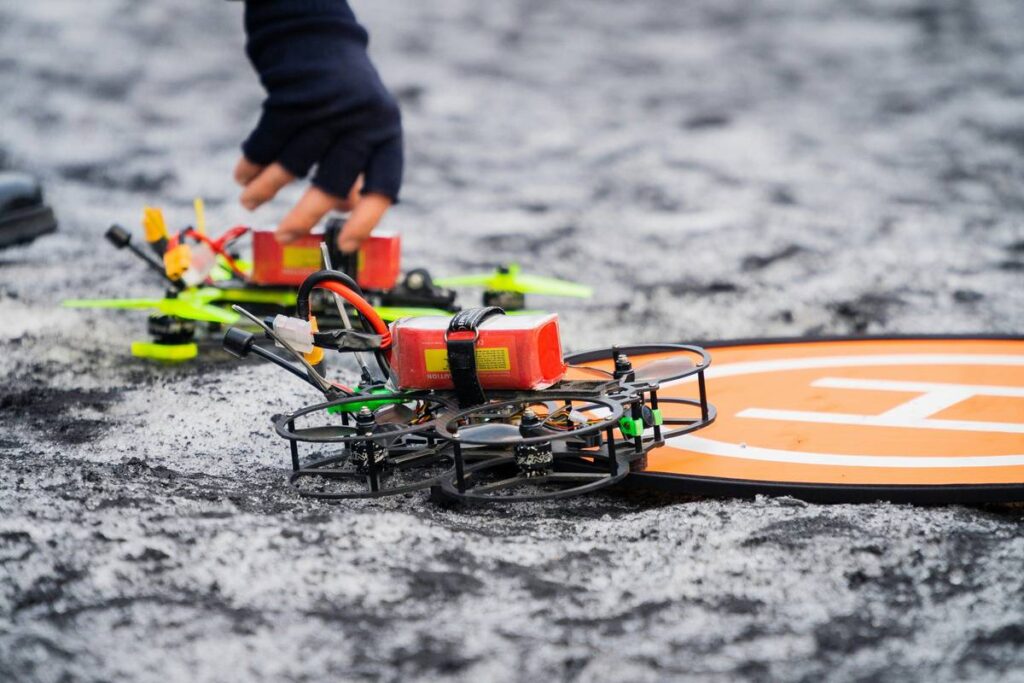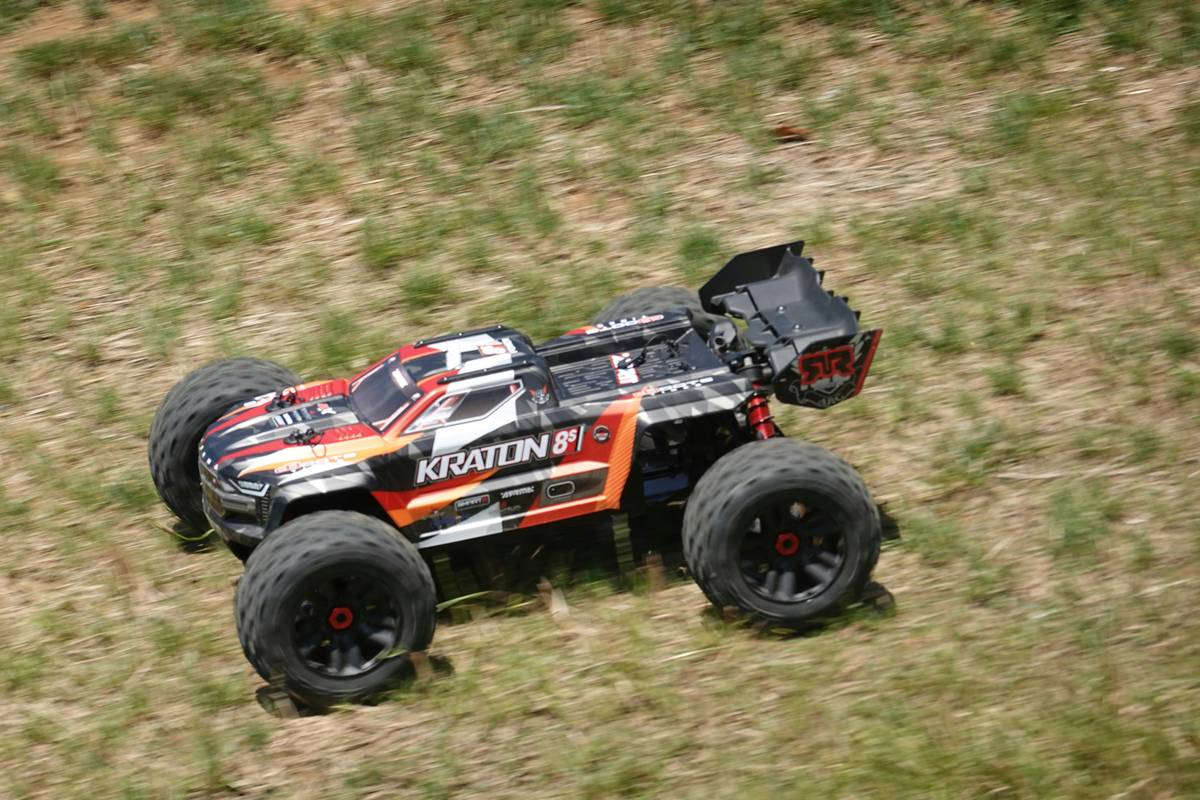
Ever watched your meticulously tuned RC car veer off-course during a race—not because of your driving, but because you skipped pre-race tire prep? You’re not alone. RC car racing competitions have exploded from backyard hobby runs into organized, high-stakes events with strict rules, technical demands, and passionate communities. Whether you’re eyeing local club races or dreaming of national championships, one misstep—like using the wrong battery type or ignoring track conditions—can turn a podium finish into a pit-lane nightmare.
This guide cuts through the noise with actionable, expert-tested strategies drawn from real race-day experience. We’ll unpack gear essentials, regulatory nuances, and hidden pitfalls so you compete smarter—not harder.
Table of Contents
- Why RC Car Racing Competitions Demand Serious Preparation
- Your Step-by-Step Guide to Entering RC Races
- 5 Best Practices That Win Consistent Races
- Real Results: From Amateur to Pro Racers
- Frequently Asked Questions
Key Takeaways
- Most beginners lose races due to avoidable setup errors—not driving skill.
- Official race classes (like ROAR-certified) dictate everything from motor specs to tire compounds.
- Battery management and tire truing are non-negotiable for competitive performance.
- Joining a local club accelerates learning more than any online tutorial.
- Always verify event rules weeks in advance; last-minute surprises ruin race day.
Why RC Car Racing Competitions Demand Serious Preparation
The jump from casual bashing to structured rc car racing competitions is massive. Unlike solo play, organized events enforce strict vehicle classes, runtime limits, and safety protocols. According to the Remotely Operated Auto Racers (ROAR), North America’s largest sanctioning body, over 60% of new racers fail tech inspection at their first event due to minor compliance oversights—like unapproved LiPo connectors or oversized bodies.
I learned this the hard way. At my first regional qualifier, I showed up with a modified chassis that wasn’t on the approved list. My car looked faster—but it was instantly disqualified. The organizer pointed me to ROAR’s official rulebook, which I’d skimmed but not studied. Don’t be like me: read the regulations like your spot on the grid depends on it (because it does).
Your Step-by-Step Guide to Entering RC Races
1. Identify Your Race Class
Start by determining which class fits your vehicle. Common categories include 1/10-scale 2WD buggies, 4WD stadium trucks, or 1/8-scale electric on-road. ROAR and IFMAR (International Federation of Model Auto Racing) publish annual rulebooks detailing allowed modifications. Never assume your “cool upgrade” is legal.
2. Join a Local Club
Most competitions are hosted by clubs affiliated with ROAR or similar bodies. Find one via Wikipedia’s ROAR club directory. Clubs offer practice sessions, mentorship, and low-pressure environments to test setups.
3. Pre-Race Tech Inspection Checklist
Create a physical checklist: battery voltage limits, motor temperature cutoffs, body dimensions, and transponder compatibility. Missing one item means sitting out heat races.
4. Register Early
Events often cap entries days in advance. Late registration fees apply—or worse, you’re waitlisted. Check the host site (like Torvenixa’s event calendar) well ahead.
5 Best Practices That Win Consistent Races
- True Your Tires Before Every Event: Uneven tires cause unpredictable grip. Use a tire truer—a $20 tool that pays for itself in lap time.
- Log Battery Cycles: Track charge/discharge cycles. Performance drops sharply after 30–40 cycles; replace before finals.
- Practice on Track Surface: Asphalt, clay, and carpet demand different suspension setups. Test locally if possible.
- Carry Spare Parts: Bring extra shocks, belts, and wheels. DNFs from broken parts kill momentum.
- Avoid This Terrible Tip: “Just drive faster!” Speed without consistency loses races. Focus on clean laps, not heroic overtakes.
Real Results: From Amateur to Pro Racers
Take Jake Lin, a hobbyist who joined San Diego’s Thunder RC Club in 2022. After adopting systematic tire maintenance and ROAR-compliant setups, his qualifying times improved by 1.8 seconds per lap within three months—enough to podium in his regional series. Similarly, the 2023 US Indoor Championships saw 78% of finalists using data-logged telemetry to fine-tune suspension damping between rounds. These aren’t outliers; they reflect how disciplined prep beats raw talent.
At Torvenixa, we’ve seen users transition from casual buyers to competition regulars by leveraging our community resources. Learn more about our mission on the About Us page.
Frequently Asked Questions
What’s the minimum age for rc car racing competitions?
Most clubs allow drivers as young as 8 with adult supervision. ROAR-sanctioned events require minors to have a guardian present during registration.
Do I need a special license to compete?
No federal license, but ROAR events require a yearly membership ($45 for adults) that includes insurance coverage.
How much does it cost to start competing?
Budget $400–$600 for a race-ready kit (chassis, motor, ESC, radio). Used gear from reputable sellers cuts costs significantly.
Can I modify my RC car for competitions?
Only within your class rules. Always cross-check modifications against the latest ROAR rulebook.
Where can I find upcoming events near me?
Check ROAR’s event calendar or contact local hobby shops. For personalized help, visit our Contact Us page.
Is my personal data safe when registering online?
Reputable organizers comply with data protection standards. Review our Privacy Policy for how Torvenixa handles user information.
Winning in rc car racing competitions isn’t about having the flashiest rig—it’s about respecting the craft, mastering the rules, and showing up prepared. Your next podium starts with one smart decision today. Ready to roll? Reach out to us for event recommendations or setup advice.
Final lap truth: Grip beats horsepower every time.