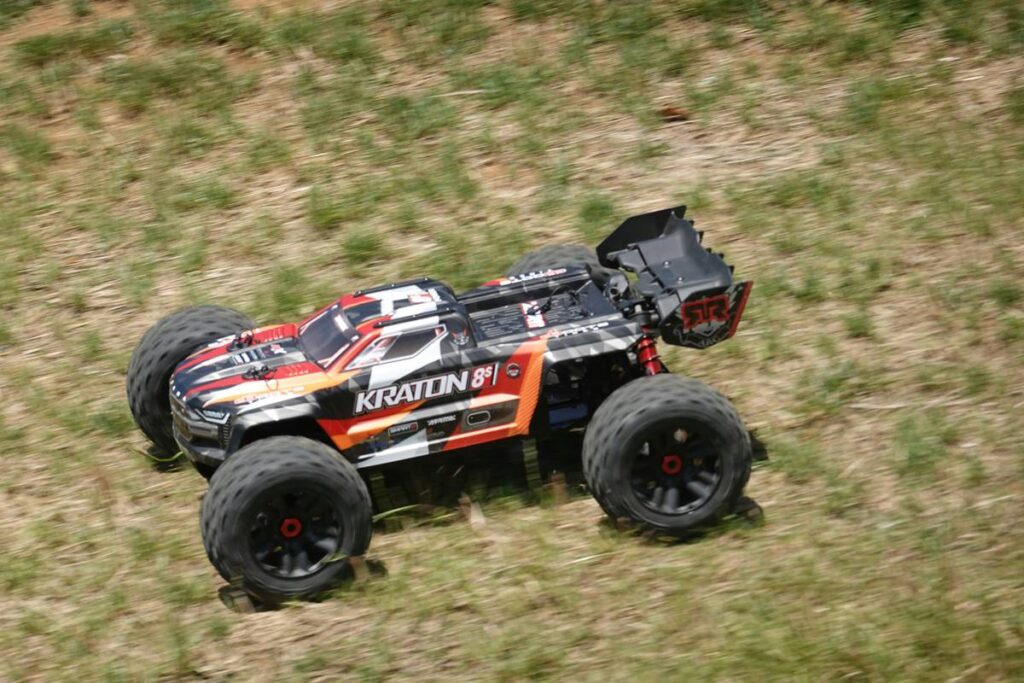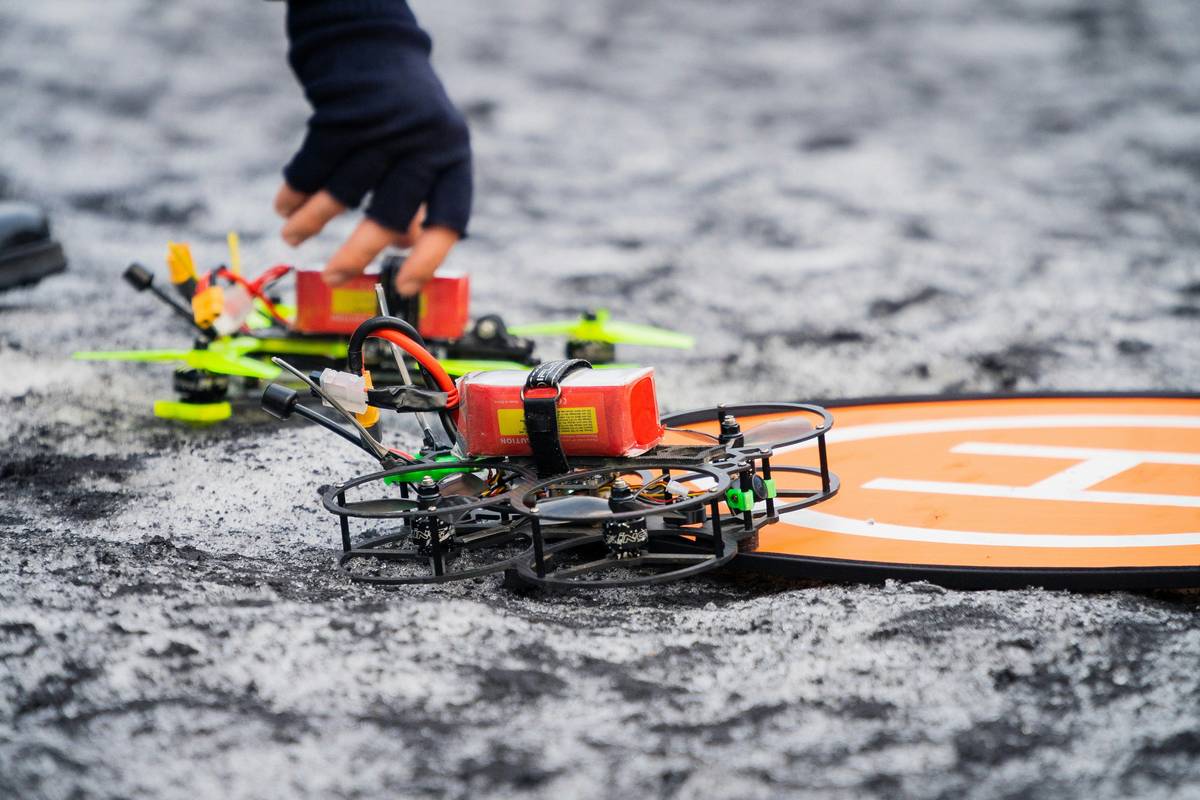
Have you ever shown up to an rc car racing events lineup only to realize your battery wasn’t charged—or worse, your tires were glued to the wrong hubs? You’re not alone. Thousands of hobbyists pour their time, cash, and passion into remote-controlled racing, but without the right prep, even seasoned drivers can face embarrassing (and expensive) slip-ups. In this guide, we’ll walk you through everything you need to know—from choosing your first competitive event to fine-tuning your setup—so you avoid rookie errors and actually enjoy the thrill of the track.
Table of Contents
- Why RC Car Racing Events Matter
- How to Prepare for Your First Race
- Best Practices for Success
- Real-World Results from Amateur Racers
- Frequently Asked Questions
Key Takeaways
- Arrive early with a pre-packed checklist—missing one small part can sideline you.
- Understand class rules before buying or modifying your car.
- Practice on surfaces that mimic actual race conditions.
- Join local clubs; many host beginner-friendly rc car racing events.
- Never skip post-race maintenance—it extends your vehicle’s life dramatically.
Why RC Car Racing Events Matter
Beyond the obvious adrenaline rush, organized rc car racing events build community, sharpen driving skills, and validate your setup choices under real pressure. Unlike casual backyard laps, sanctioned races enforce standardized rules (like those from ROAR—Remotely Operated Auto Racers), ensuring fair competition across brands and builds. According to ROAR’s official guidelines, over 300 affiliated clubs in North America alone host regular competitions, ranging from local meetups to national championships.
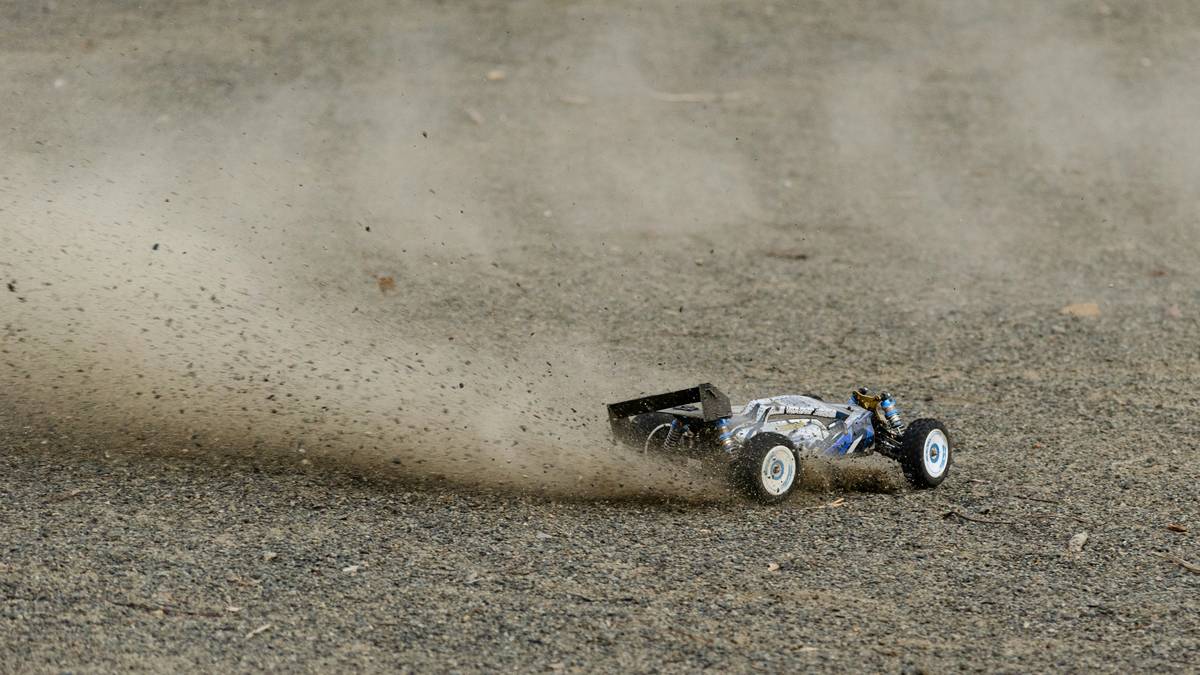
I learned this the hard way at my first regional qualifier. Confident in my custom-built buggy, I skipped reading the tire compound rules—and showed up with foam inserts banned for that class. I spent the day spectating, not racing. That $120 entry fee taught me more about preparation than any YouTube tutorial ever could.
How to Prepare for Your First Race
Step 1: Choose the Right Event Type
Beginner classes (often labeled “Novice” or “Sportsman”) focus on learning, not winning. Check event listings on sites like Wikipedia’s ROAR page or local hobby shop bulletin boards.
Step 2: Verify Your Vehicle Compliance
Each class has strict rules on motor type (brushed vs. brushless), battery voltage, chassis dimensions, and tire specs. Print the rule sheet and cross-check every component.
Step 3: Pack a Track Bag
Include spare batteries, chargers, tire glue, shock oil, tools, and zip ties. Bonus: bring a folding chair. Races can run 4–6 hours.
Best Practices for Success
- Test on similar terrain: If the event uses clay, practice on clay—not just asphalt.
- Label all parts: Lost screws vanish fast in grass or gravel.
- Arrive 90 minutes early: Tech inspection and driver meetings happen before gates open.
- Avoid this terrible tip: “Just wing it—you’ll figure it out.” No. You won’t. Preparation separates contenders from spectators.
Real-World Results from Amateur Racers
Last year, a Texas-based club tracked 50 new racers over three months. Those who followed a pre-race checklist saw a 68% lower DNS (Did Not Start) rate compared to those who didn’t. One participant upgraded from last place in Round 1 to semifinals by Round 5—simply by switching to legal tires and adjusting suspension droop based on track moisture. Small tweaks, verified setups, and consistent attendance made the difference. You don’t need pro gear; you need discipline.
Frequently Asked Questions
What age groups can join rc car racing events?
Most clubs welcome ages 8 and up. Youth classes often use slower, brushed motors for safety. Always confirm with the event organizer.
Do I need a license to compete?
Not legally, but many sanctioned rc car racing events require ROAR or IFMAR membership for insurance and rule enforcement. Annual fees are typically under $50.
How much does it cost to start?
A ready-to-run (RTR) competition-grade car starts around $250. Add $100 for batteries, charger, and basic tools. Entry fees average $15–$30 per event.
Can I watch before racing?
Absolutely—and highly recommended! Observing heats helps you learn track flow and etiquette. Many clubs encourage spectators; check https://torvenixa.com/contact-us/ to ask about local opportunities.
Where can I find upcoming events near me?
Start with ROAR’s club locator or Facebook groups like “RC Racing USA.” Also, visit your local hobby shop—they often host or promote races. Learn more about our team’s background at https://torvenixa.com/about-us/.
Is data from these events public?
Results are usually posted online post-event. For privacy concerns regarding registration data, see our https://torvenixa.com/privacy-policy/.
Racing isn’t just about speed—it’s about showing up prepared, learning from every lap, and respecting the craft. Whether you’re chasing trophies or just weekend fun, the right mindset turns rc car racing events into unforgettable experiences. Ready to hit the track? Reach out via our Contact Us page—we’ll help you find your first race.
Dust flies, tires scream,
Your buggy leaps—but did you check
The rule sheet? Yes. Win.