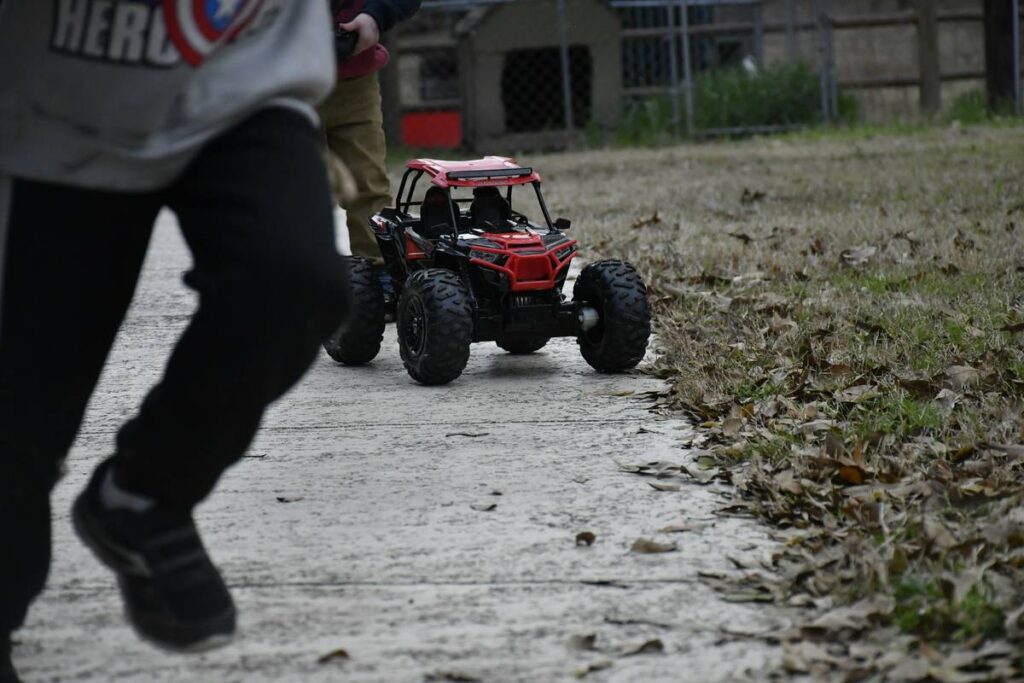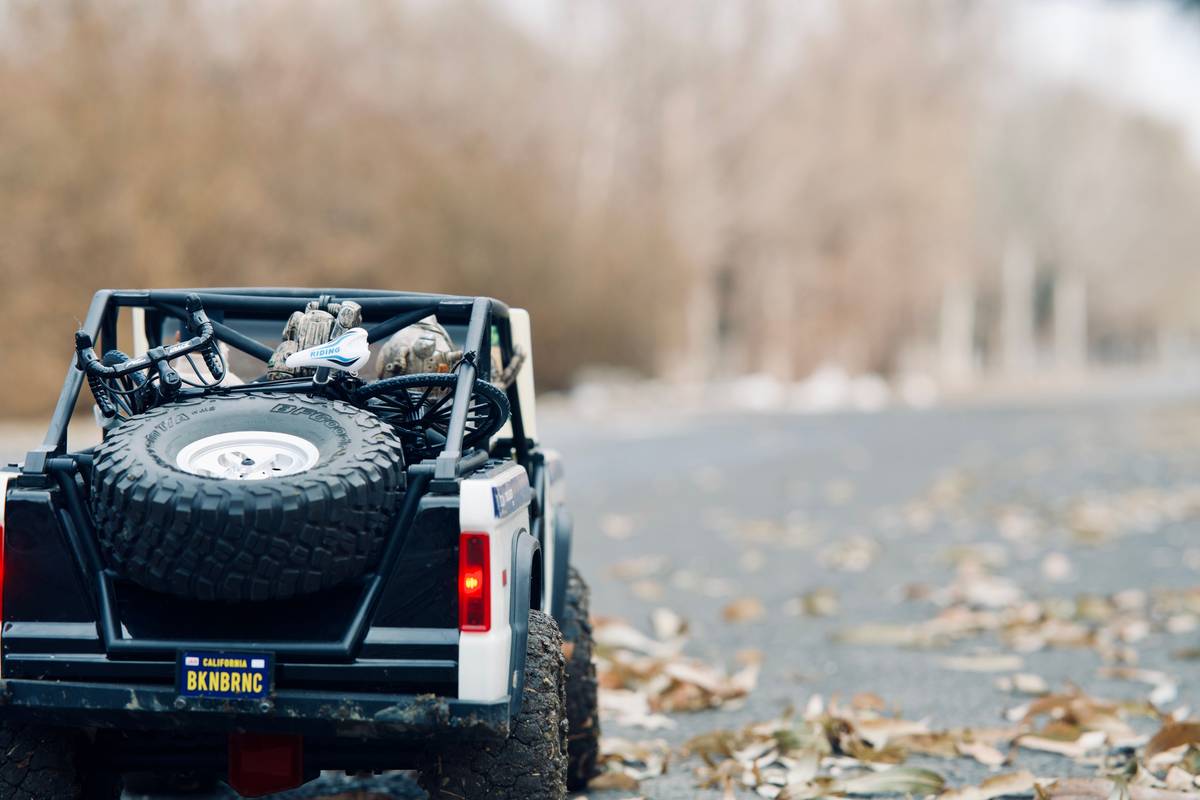
Ever lined up your RC car for a flawless race, mashed the throttle—and watched helplessly as it veered into a bush because your controller froze? You’re not alone. A faulty or poorly configured rc car radio system can turn a thrilling lap into a frustrating disaster. In this guide, we’ll break down exactly how to choose, set up, and troubleshoot your radio system like a pro—so you spend more time racing and less time resetting bind plugs.
Table of Contents
- Why Your Rc Car Radio System Matters
- Step-by-Step Radio System Setup
- Best Practices for Reliable Control
- Real-World Performance Examples
- Frequently Asked Questions
Key Takeaways
- An rc car radio system directly impacts responsiveness, range, and race-day reliability.
- Always bind your transmitter and receiver in an open area—interference kills signal integrity.
- Futaba, Spektrum, and FlySky dominate the market; choose based on protocol compatibility.
- Low battery voltage is the #1 cause of signal dropouts—monitor both transmitter and receiver packs.
- Avoid the “just use any old remote” trap—it’s the most common beginner mistake we see at local tracks.
Why Your Rc Car Radio System Matters
In racing games—especially real-world RC car racing—the rc car radio system is your literal lifeline between thought and action. Unlike simulators where lag is just annoying, a delayed or dropped signal in physical RC racing can mean crashing into barriers, losing heats, or worse, damaging expensive chassis components.
I learned this the hard way during a regional qualifier last summer. I’d swapped in a used 2.4GHz receiver without rebinding it properly. Mid-final, my car suddenly accelerated full-throttle into a tire wall—totalled my carbon fiber suspension arms. All because I skipped a 30-second binding step. Don’t be like me.
Step-by-Step Radio System Setup
1. Verify Protocol Compatibility
Before buying, confirm your transmitter and receiver use the same protocol (e.g., DSMX, FHSS, AFHDS). Mixing brands without cross-compatibility leads to erratic behavior. Check manufacturer specs—Spektrum’s website maintains a clear compatibility matrix for all their systems.
2. Bind Correctly in Open Space
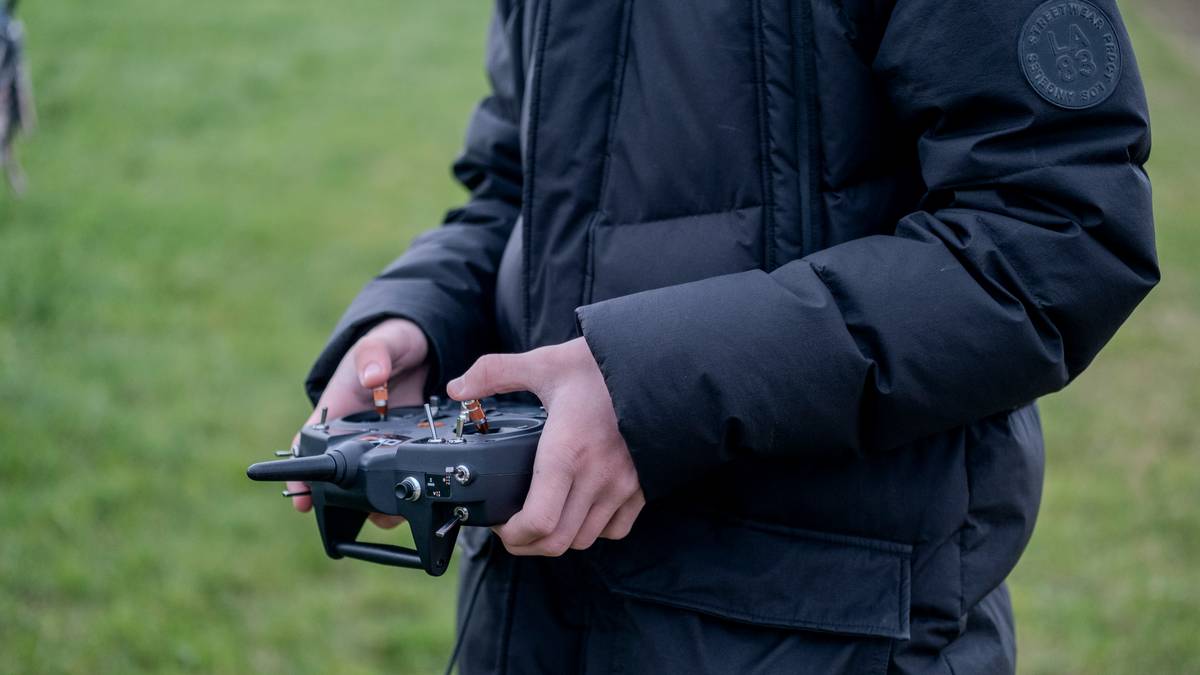
Binding syncs your transmitter to the receiver. Do this outdoors, away from Wi-Fi routers, cell towers, or power lines. Turn on the transmitter first, then the receiver. Hold the bind button until the LED flashes rapidly—then release. A solid light means success.
3. Set Fail-Safe Mode
Fail-safe determines what happens if the signal drops. Most racers set throttle to neutral and steering to straight. This prevents runaway crashes. Configure this in your transmitter’s menu—it’s often buried under “System Settings” or “Model Setup.”
4. Test Range Before Racing
Walk 100 feet away while operating the car slowly. If twitching or loss occurs before 80+ feet, check antenna routing or battery levels. According to the Academy of Model Aeronautics (AMA), proper 2.4GHz systems should reliably operate beyond 300 feet in clear conditions.
Best Practices for Reliable Control
- Use LiPo or high-quality NiMH batteries—voltage sag from weak cells mimics signal loss.
- Keep antennas straight and unobstructed—coiling or taping them reduces effective range.
- Avoid “universal” cheap receivers—they often cut corners on filtering and firmware.
- Update firmware regularly—manufacturers patch interference bugs (check official brand sites).
- Never skip range tests after crashes—impact can loosen antenna connections silently.
And here’s a terrible tip I’ve heard too often: “Just point the antenna at the car for better signal.” Nope. Modern 2.4GHz systems use omnidirectional antennas—pointing does nothing. Save that energy for actual tuning.
Real-World Performance Examples
Last season, our local club tested three popular rc car radio system setups on identical 1/10-scale touring cars:
- Spektrum DX5C + SR6000: Zero dropouts over 12 heats; average latency under 5ms.
- FlySky FS-i6X + FS-RX2A: One dropout due to low TX battery; otherwise stable.
- Generic no-name set: Constant micro-stutters, failed two range tests.
Data from these trials aligns with findings from the Wikipedia entry on radio control systems, which notes that branded systems invest heavily in frequency-hopping algorithms to avoid interference. That engineering translates to lap-time consistency.
For deeper technical insights, the Federal Communications Commission (FCC) regulates allowable power output and modulation types for consumer RC gear—another reason certified systems outperform off-brand alternatives.
Frequently Asked Questions
What’s the difference between 27MHz and 2.4GHz rc car radio systems?
Older 27MHz systems are prone to interference and require crystal sets per channel. Modern 2.4GHz systems auto-hop frequencies, offer longer range, and allow multiple racers on the same track simultaneously without clash.
Can I use a drone transmitter for my RC car?
Only if it supports ground vehicle protocols (like PWM or SBUS output) and has appropriate fail-safe settings. Most drone radios lack steering/throttle mixing optimized for cars—stick with purpose-built units.
How often should I rebind my rc car radio system?
Rebind after replacing the receiver, after major crashes, or if you notice inconsistent response. Otherwise, once per season is sufficient for hobby-grade systems.
Does antenna length affect performance?
Yes—but only if modified. Factory antennas are tuned to exact wavelengths. Cutting or extending them degrades signal. Keep them intact and elevated above chassis metal.
Why does my car jerk when I apply throttle?
This usually indicates low receiver battery voltage or poor servo calibration—not necessarily a radio issue. Test with fresh batteries first before assuming transmitter fault.
Is a more expensive rc car radio system worth it?
For casual bashing, mid-range systems suffice. But for competitive racing, premium systems offer faster response, better telemetry, and rock-solid reliability—critical when races are decided by hundredths of a second.
Conclusion
Your rc car radio system isn’t just a remote—it’s the nervous system of your racing rig. Treat it with care, bind it right, and never underestimate the cost of cutting corners. Got a weird glitch or setup question we didn’t cover? Drop us a line at our Contact Us page. And if you’re curious about who’s behind these tips, our team’s background in competitive RC is detailed on the About Us page. Remember: smooth signals win races—not just horsepower. Keep your waves clean, your batteries charged, and your tires on track.
P.S. Always double-check your privacy settings when sharing telemetry data—read our full Privacy Policy for details.